
 kontakt@thedesigngroup.pl


Asana

Location
Warsaw

Office building
Lixa

Area
2 700

Construction year
2026
The Asana office project in Warsaw focused on transforming an existing workspace into an environment tailored to a new user – its organizational culture, ways of working, and future growth plans.
The office, covering approximately 2,700 sqm, had been previously occupied and was well designed. From the outset, we adopted a selective approach. Rather than a complete rebuild, we focused on what truly required change, while preserving the high-quality elements of the existing space. This approach allowed us not only to optimize the scope of work, but also to act in line with ESG principles – by limiting intervention and making conscious use of existing resources.
Our work concentrated primarily on shared spaces and points of interaction between teams – areas where the office has the most tangible impact on the everyday work experience.
Key interventions focused on spaces that directly influence daily use:
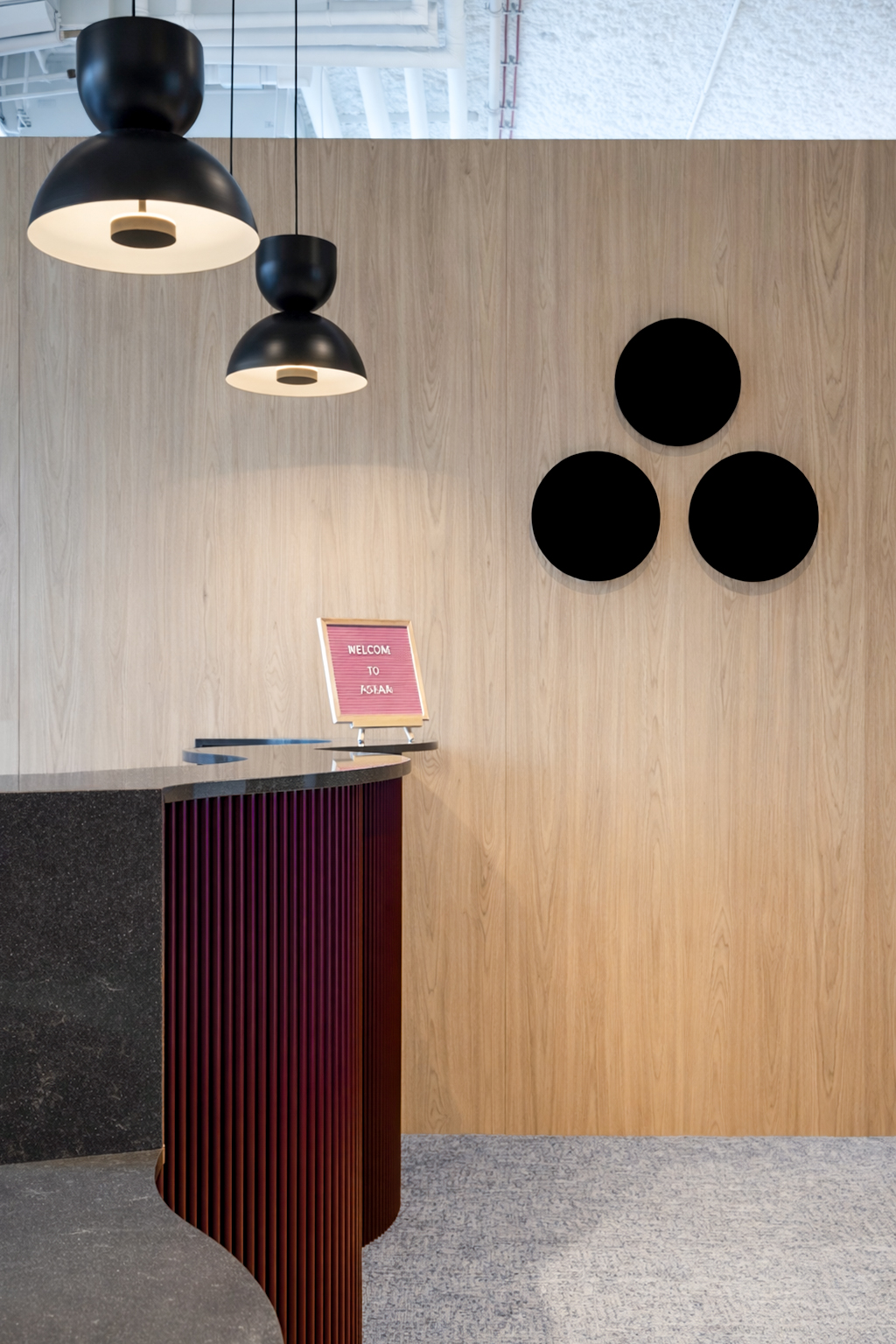
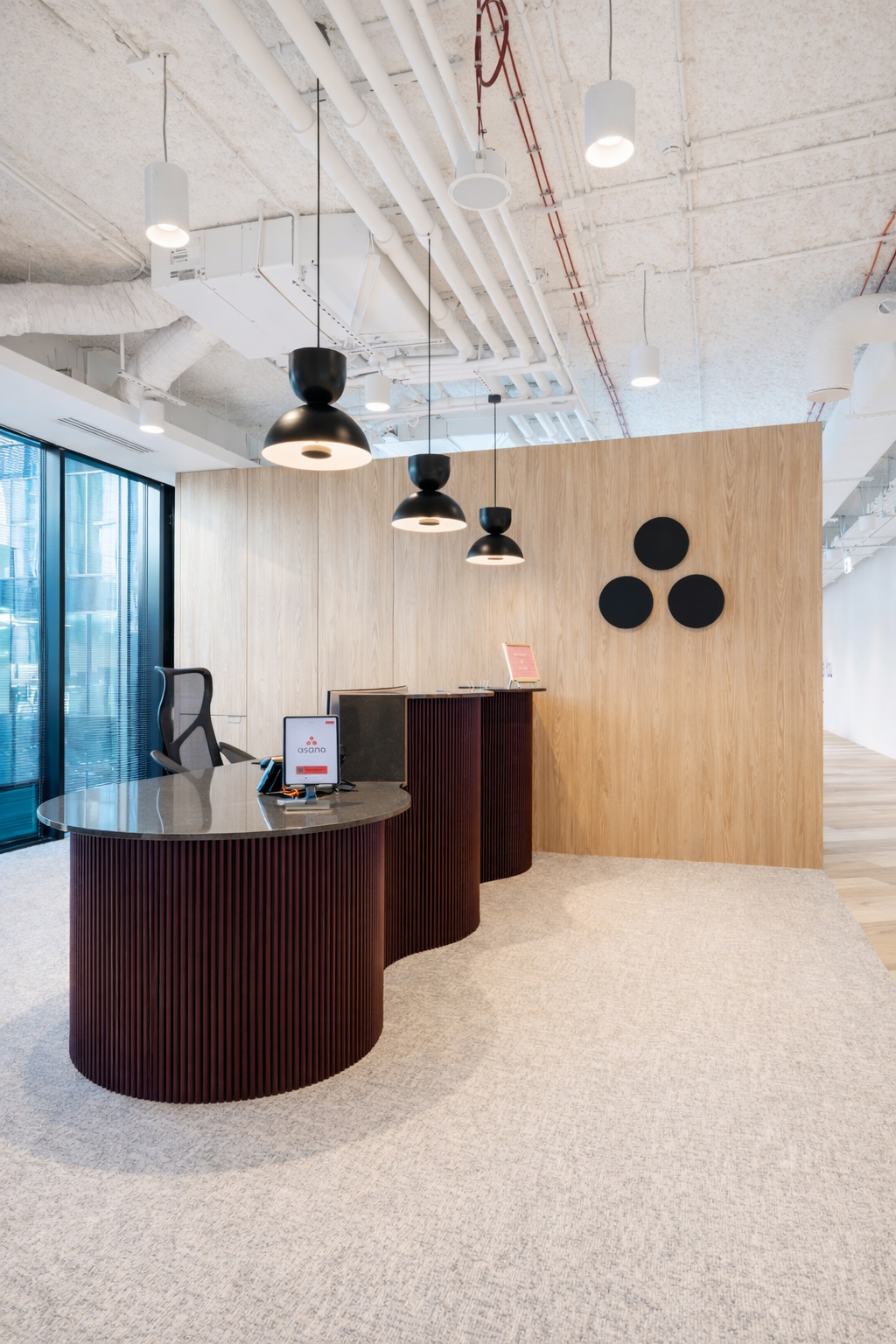
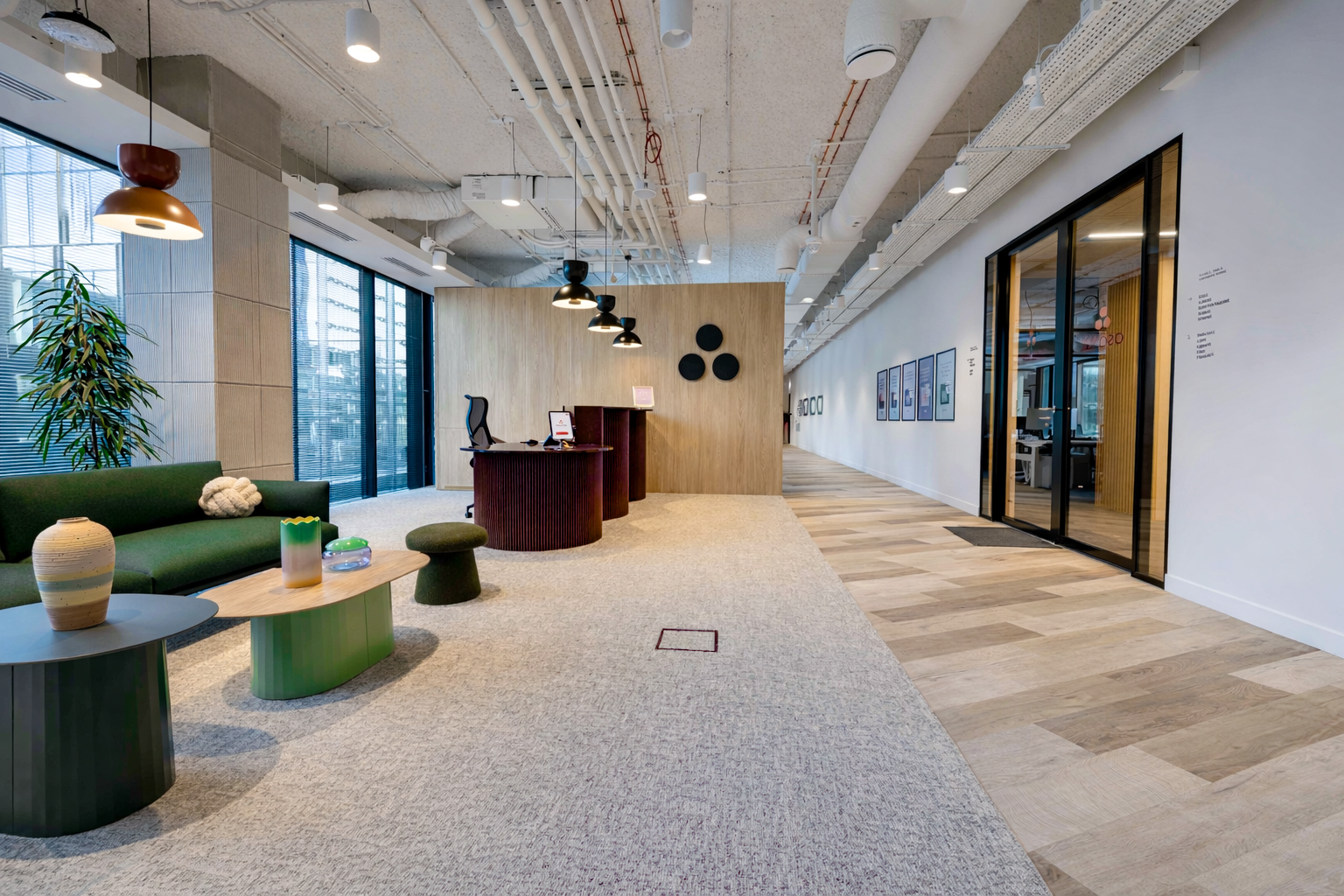
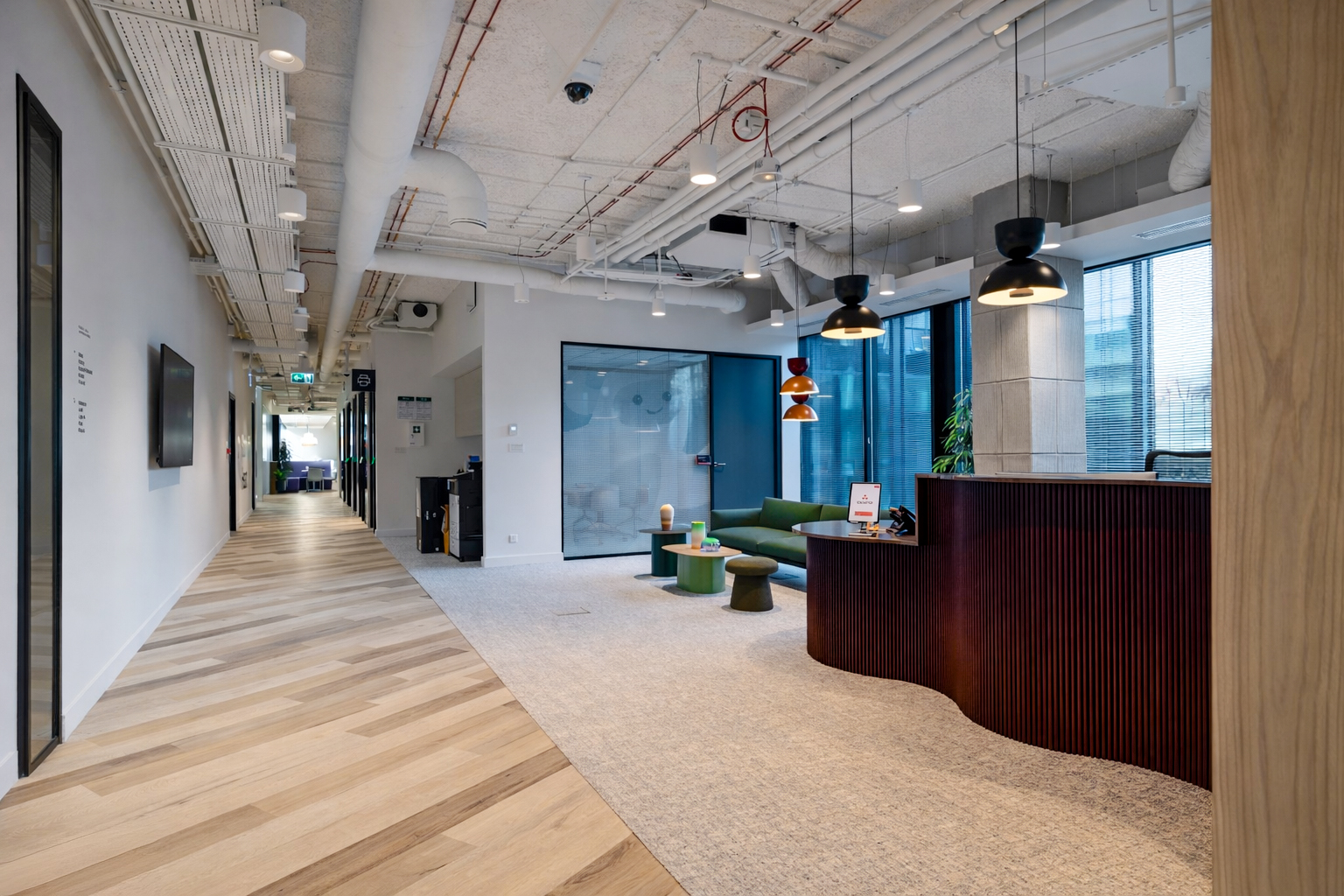
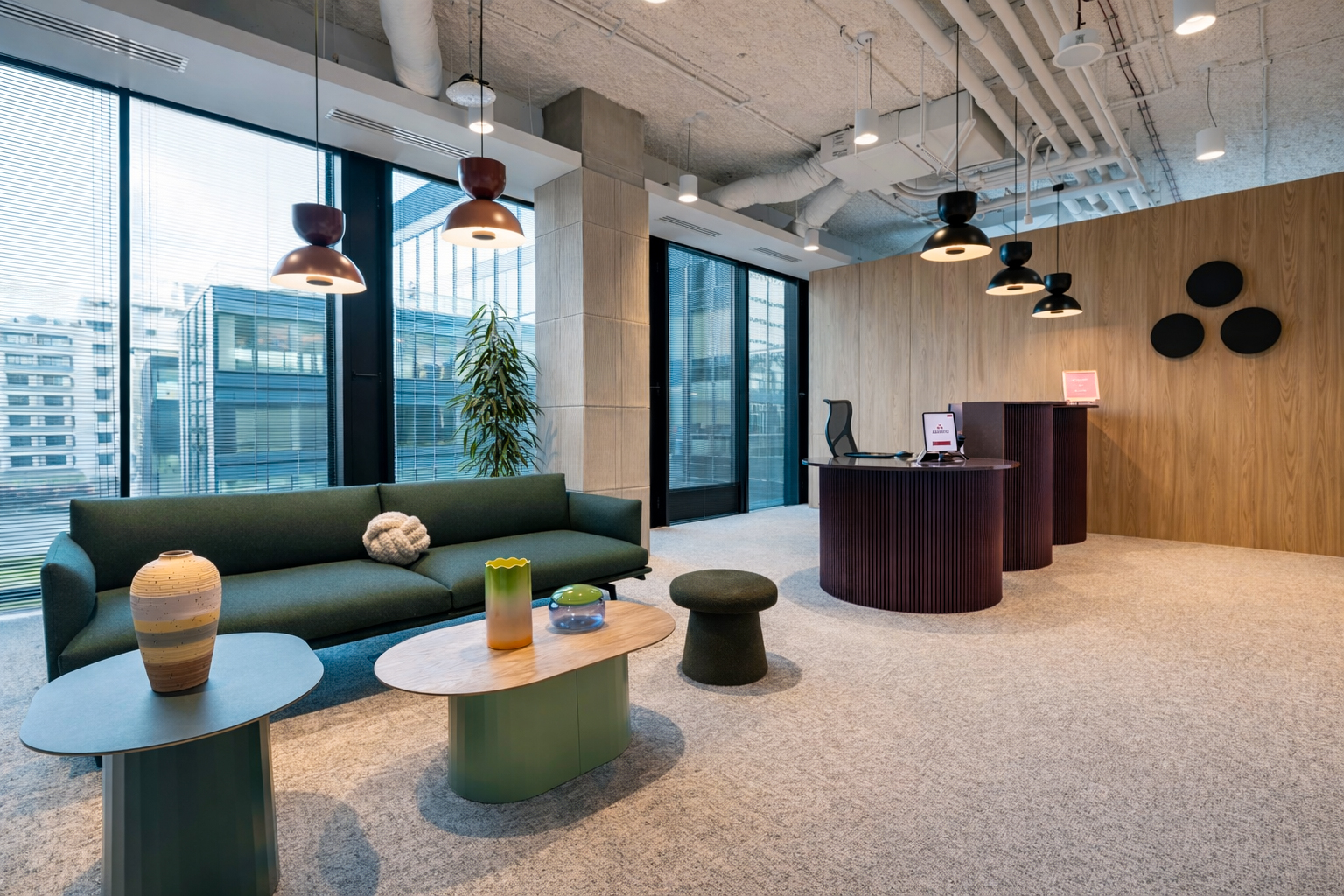
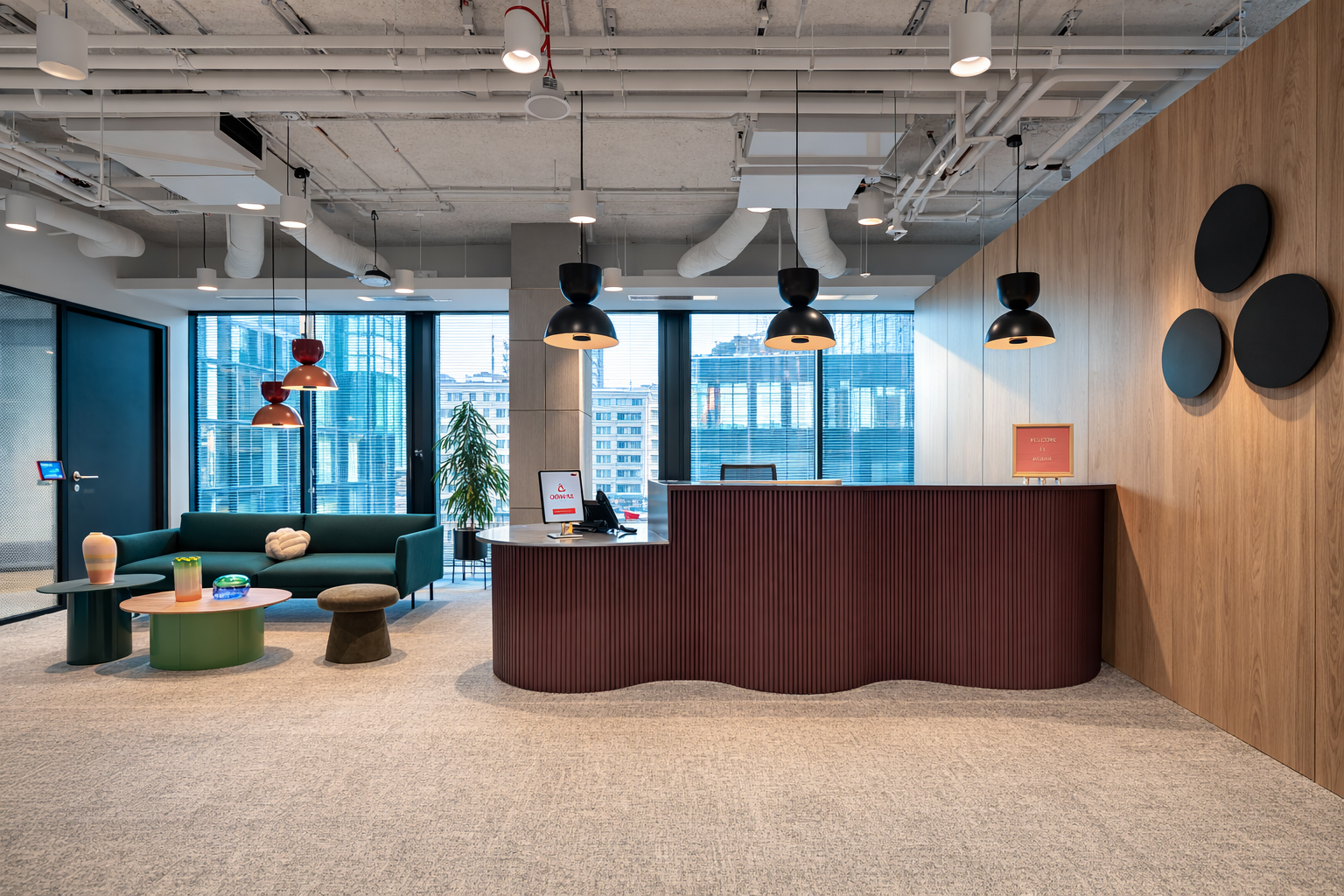
- a new, functional reception integrated with the entrance area,
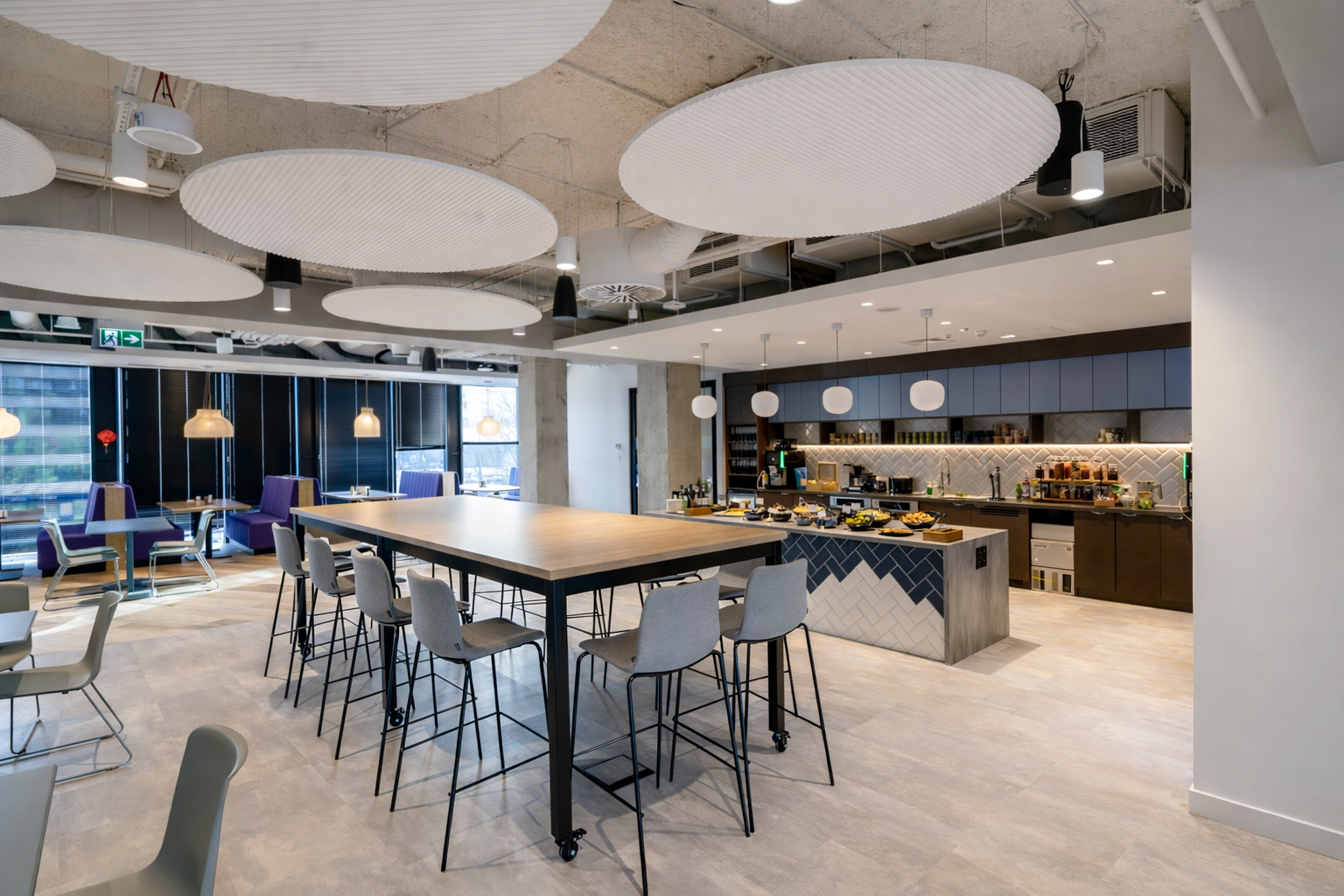
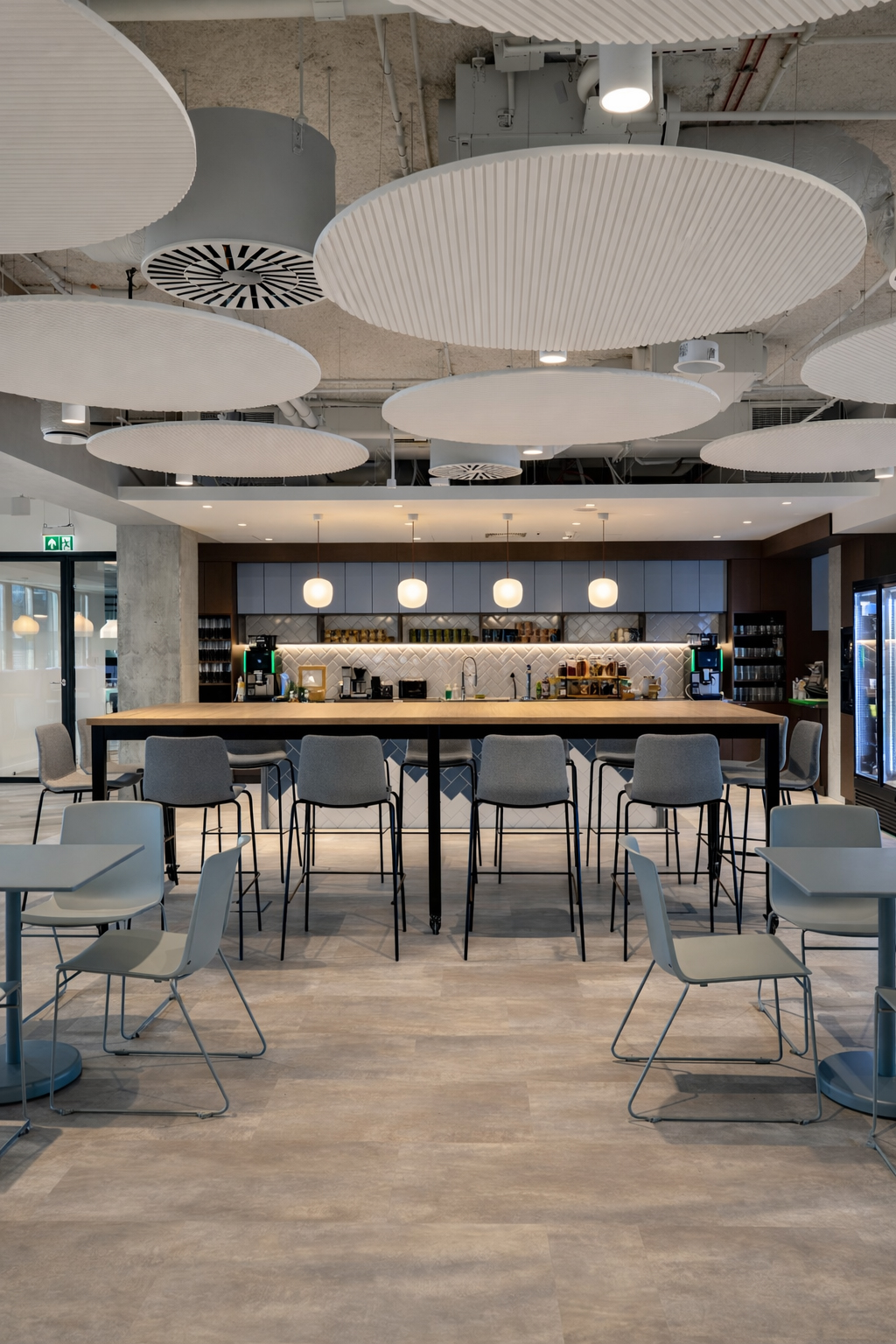
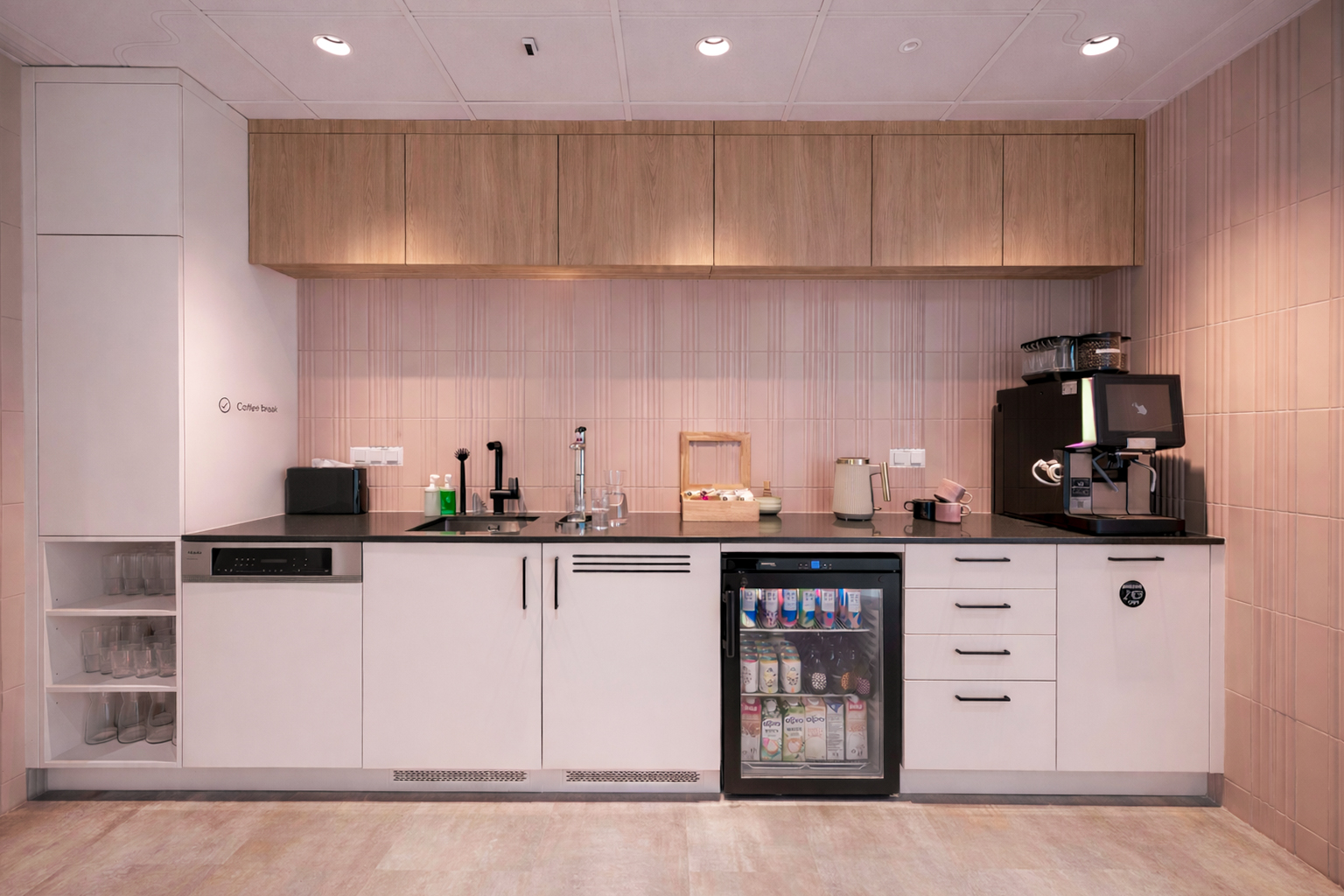
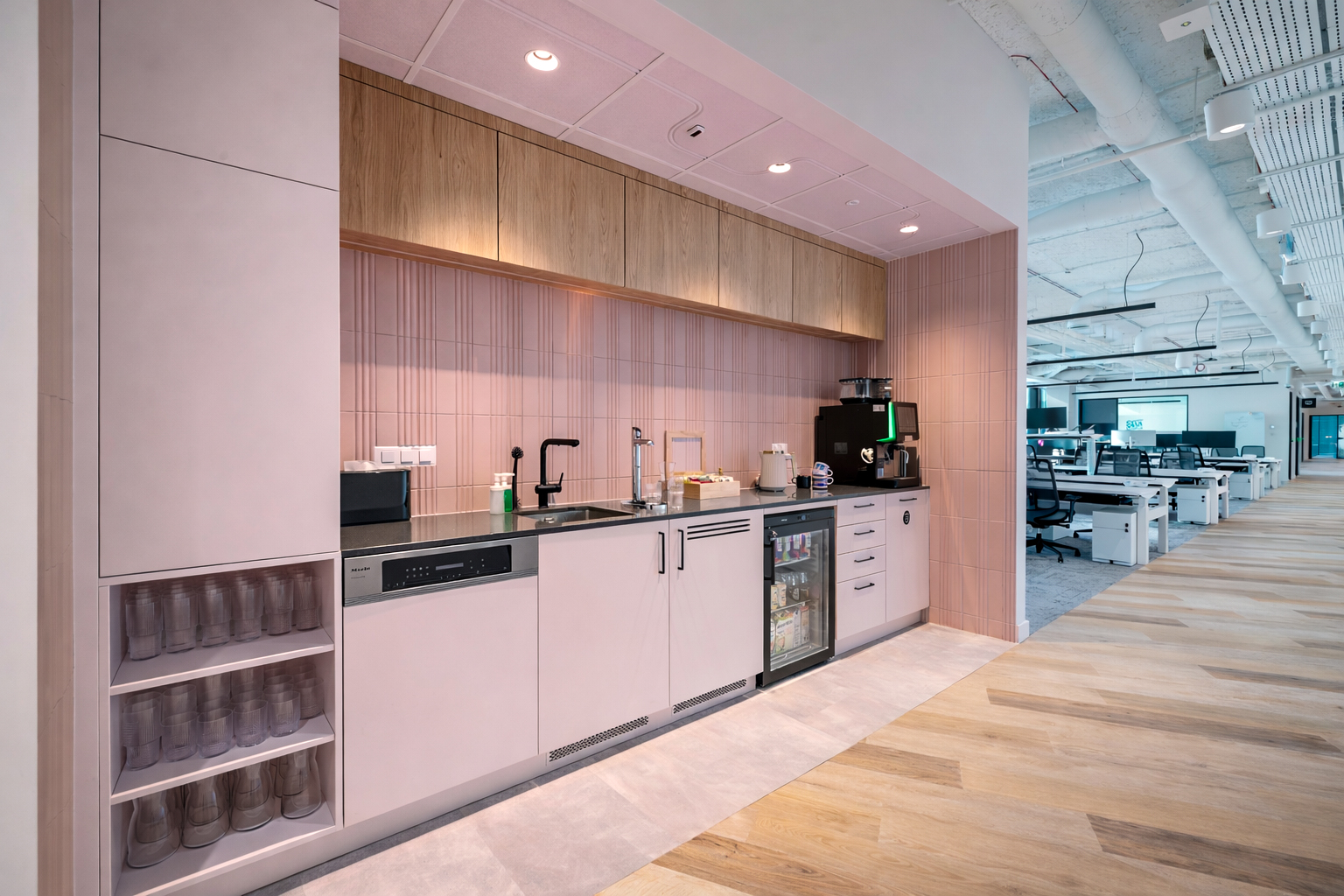
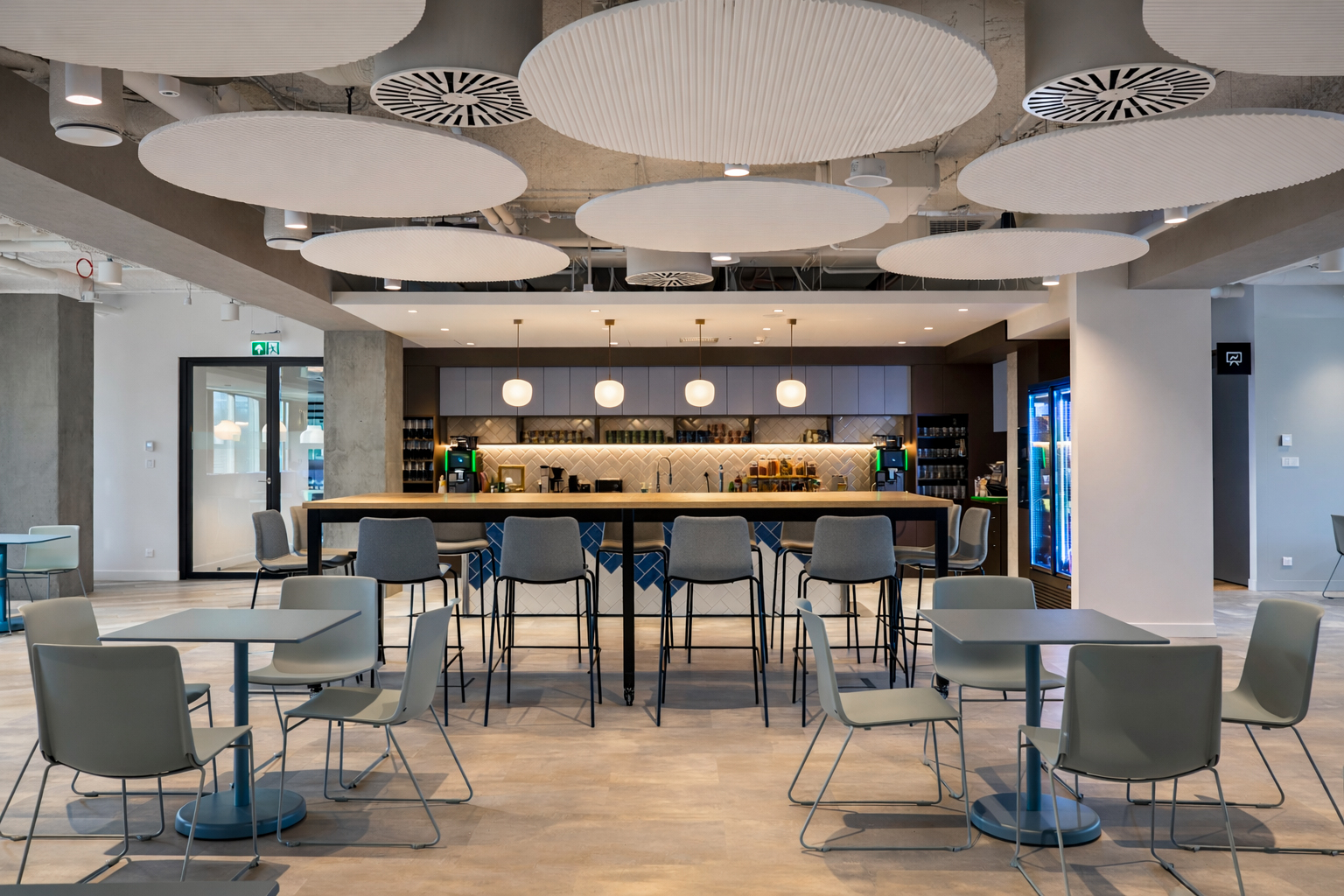
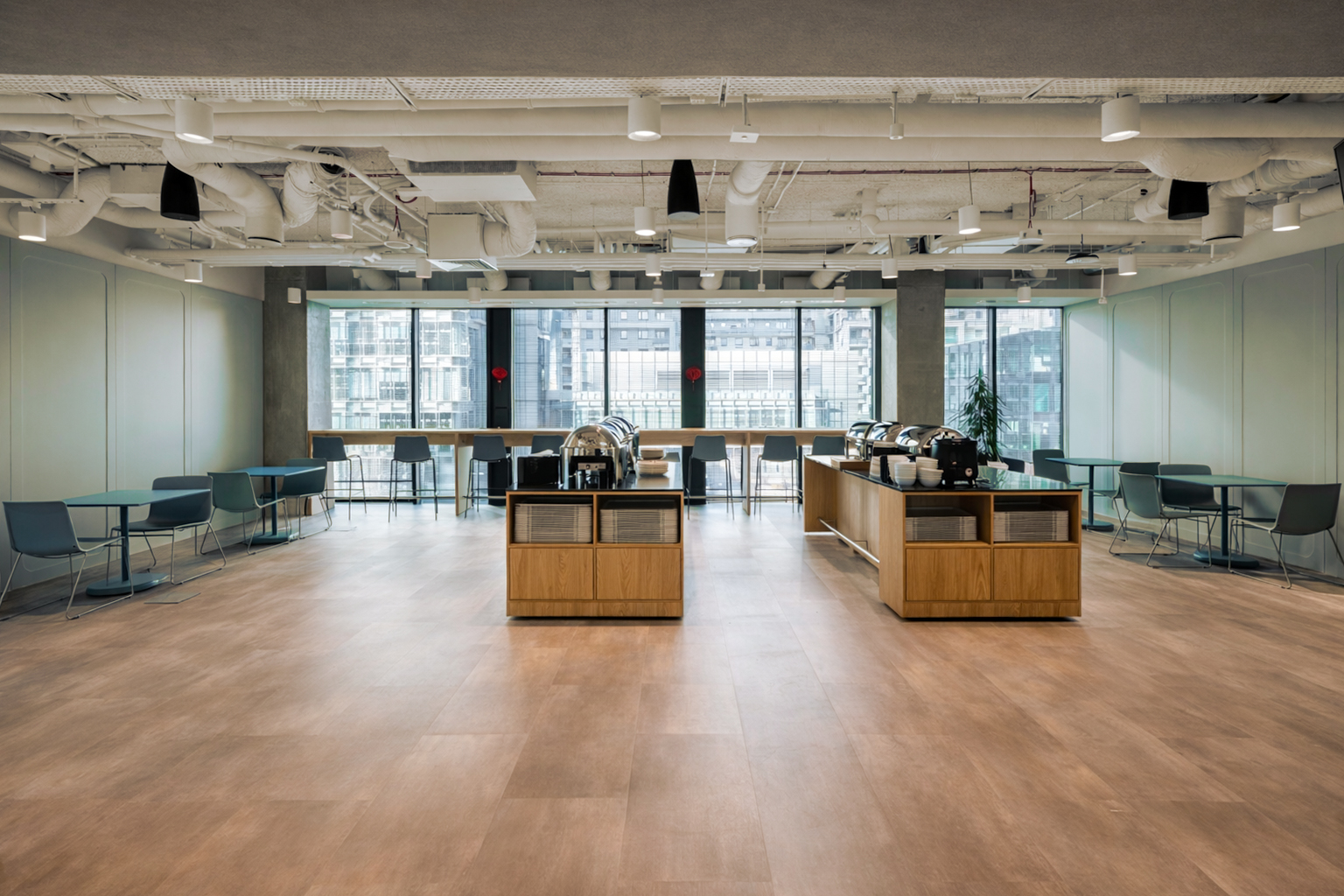
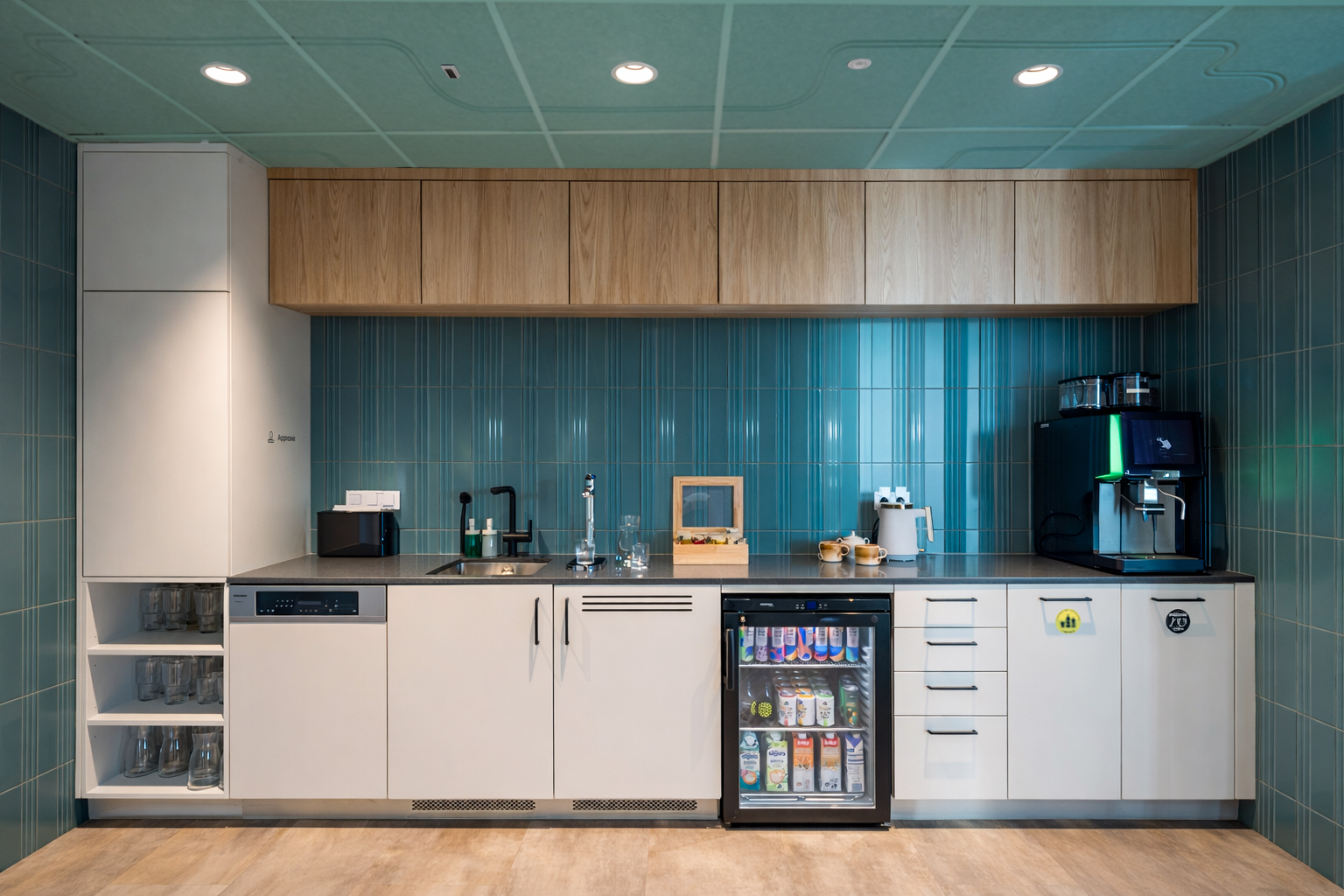
- a redesigned kitchen and cafeteria serving as a central hub for meetings and team events,
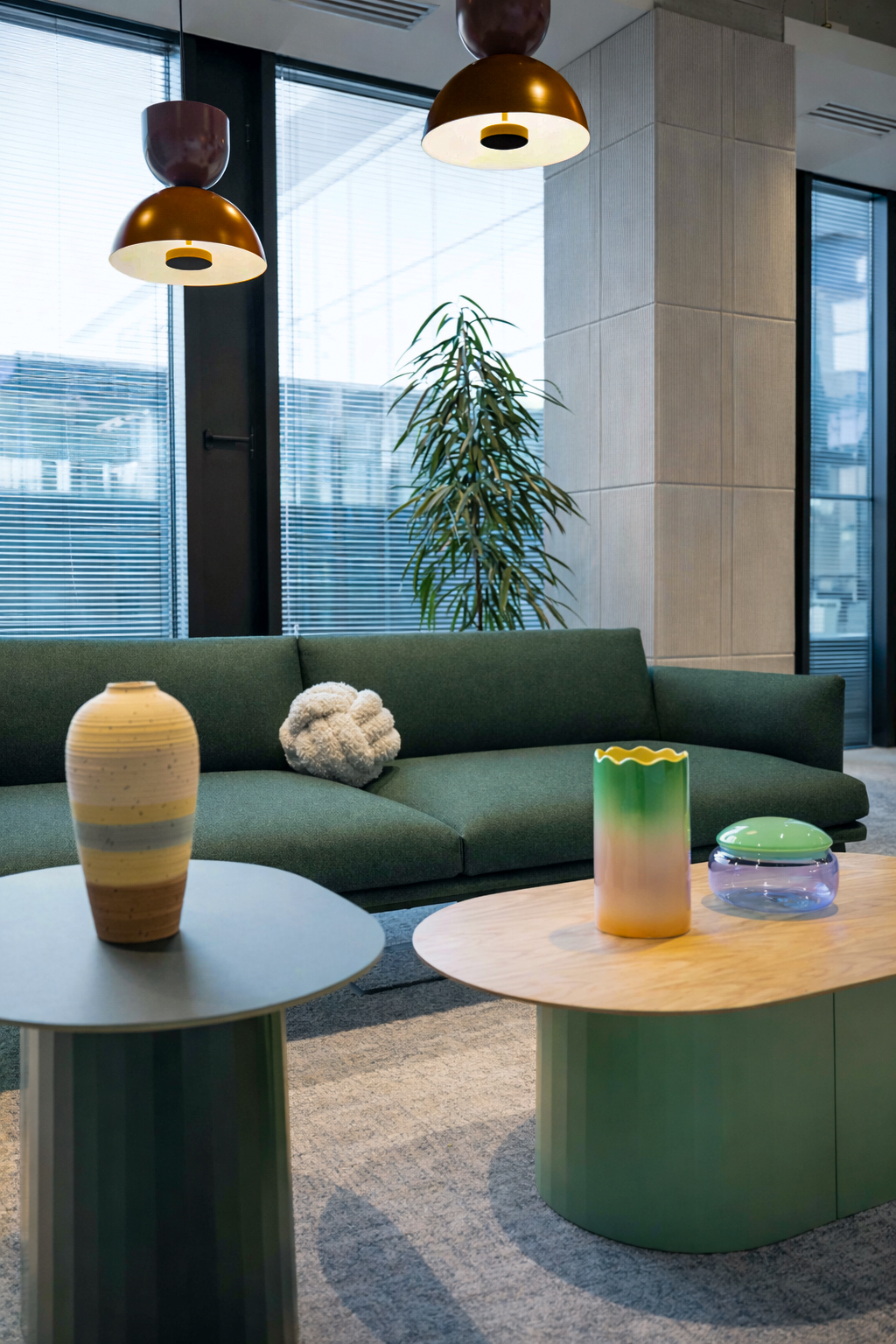
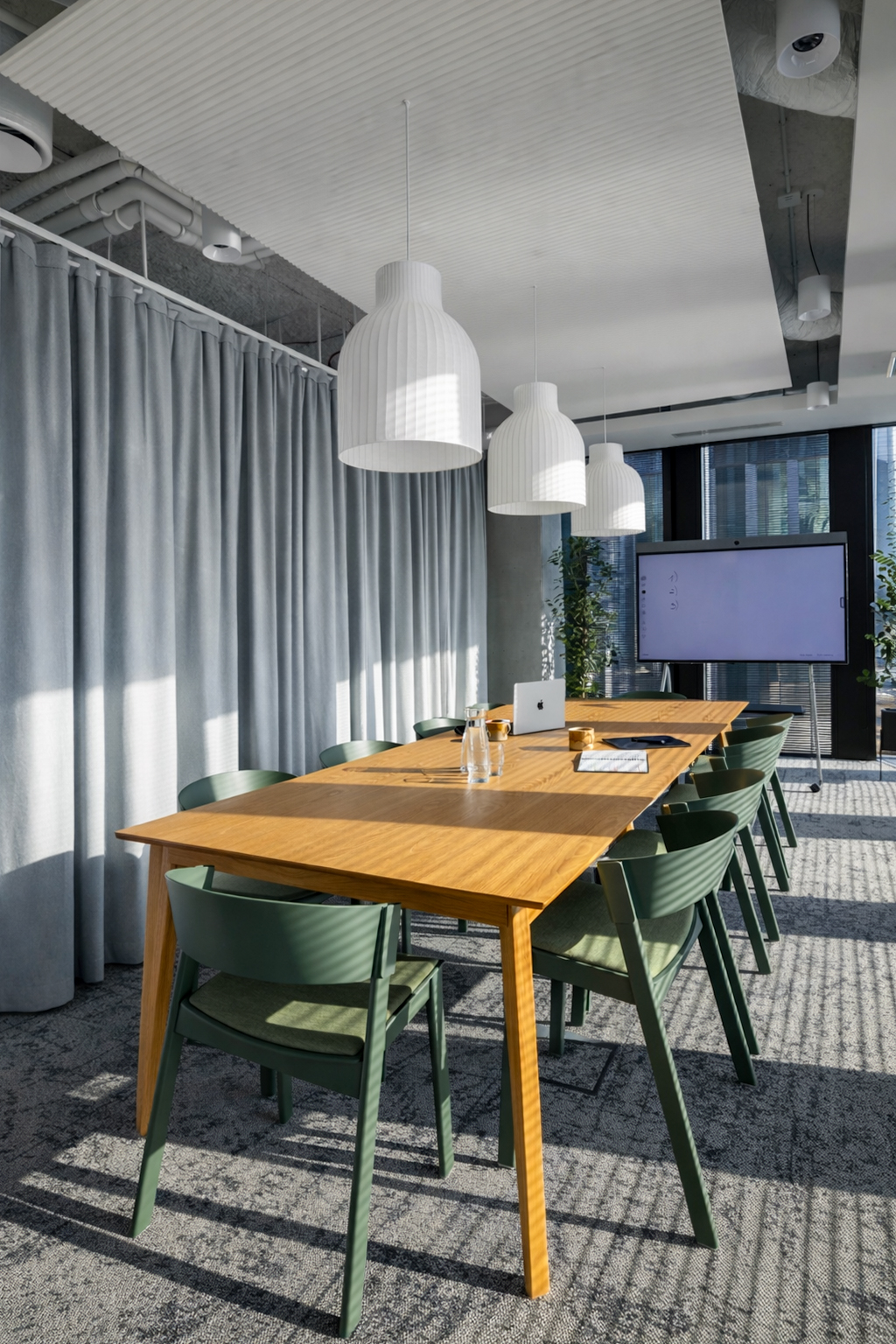
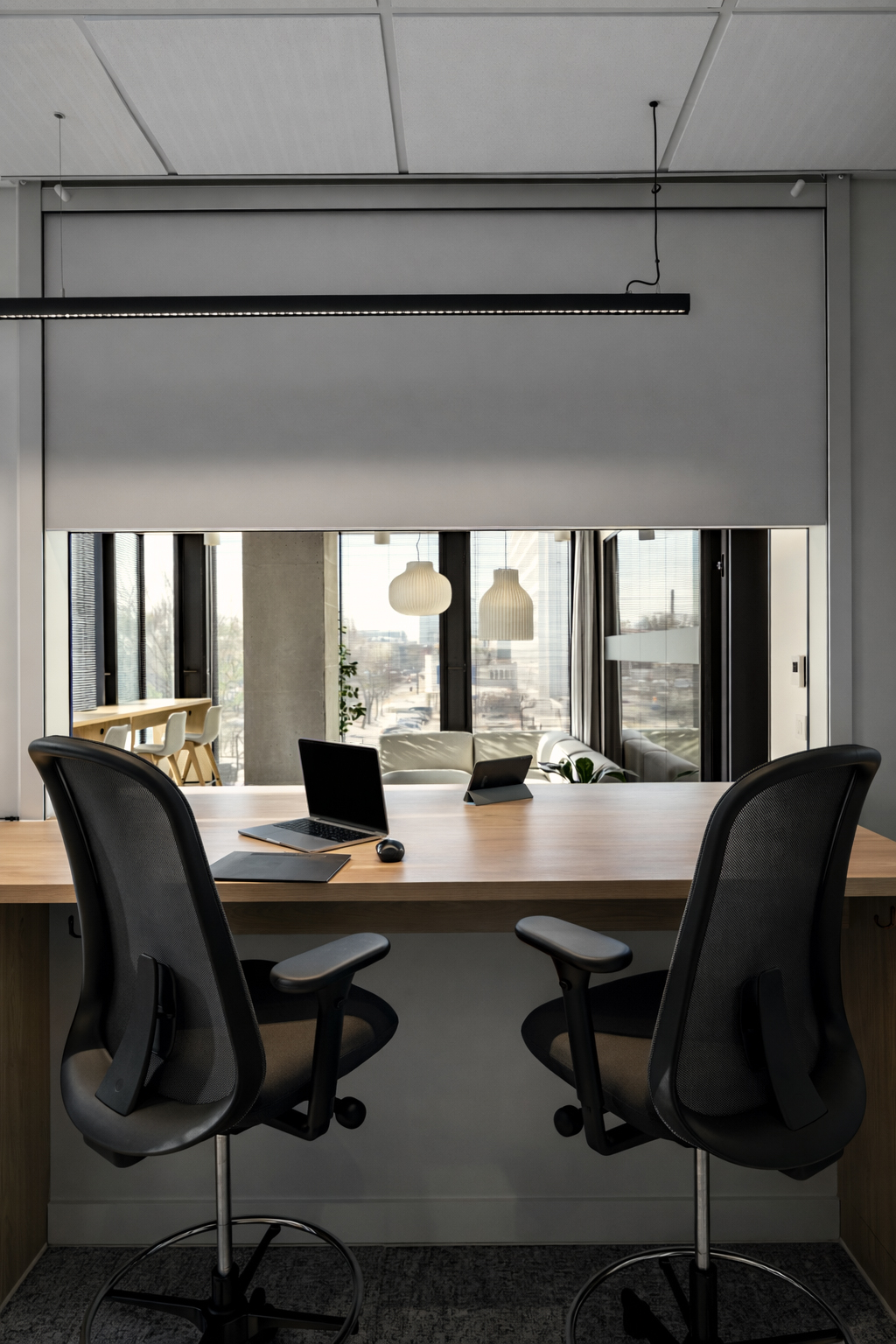
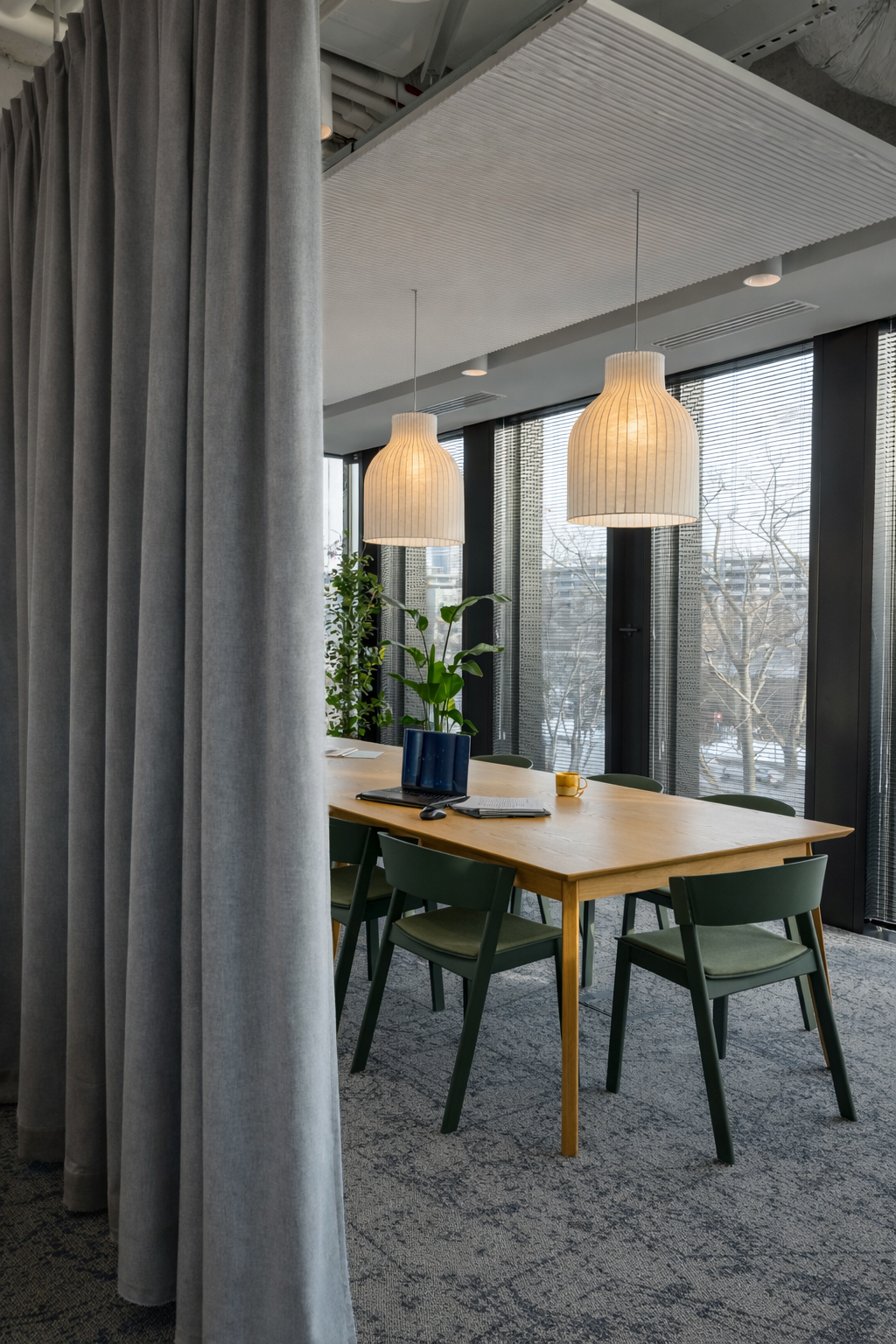
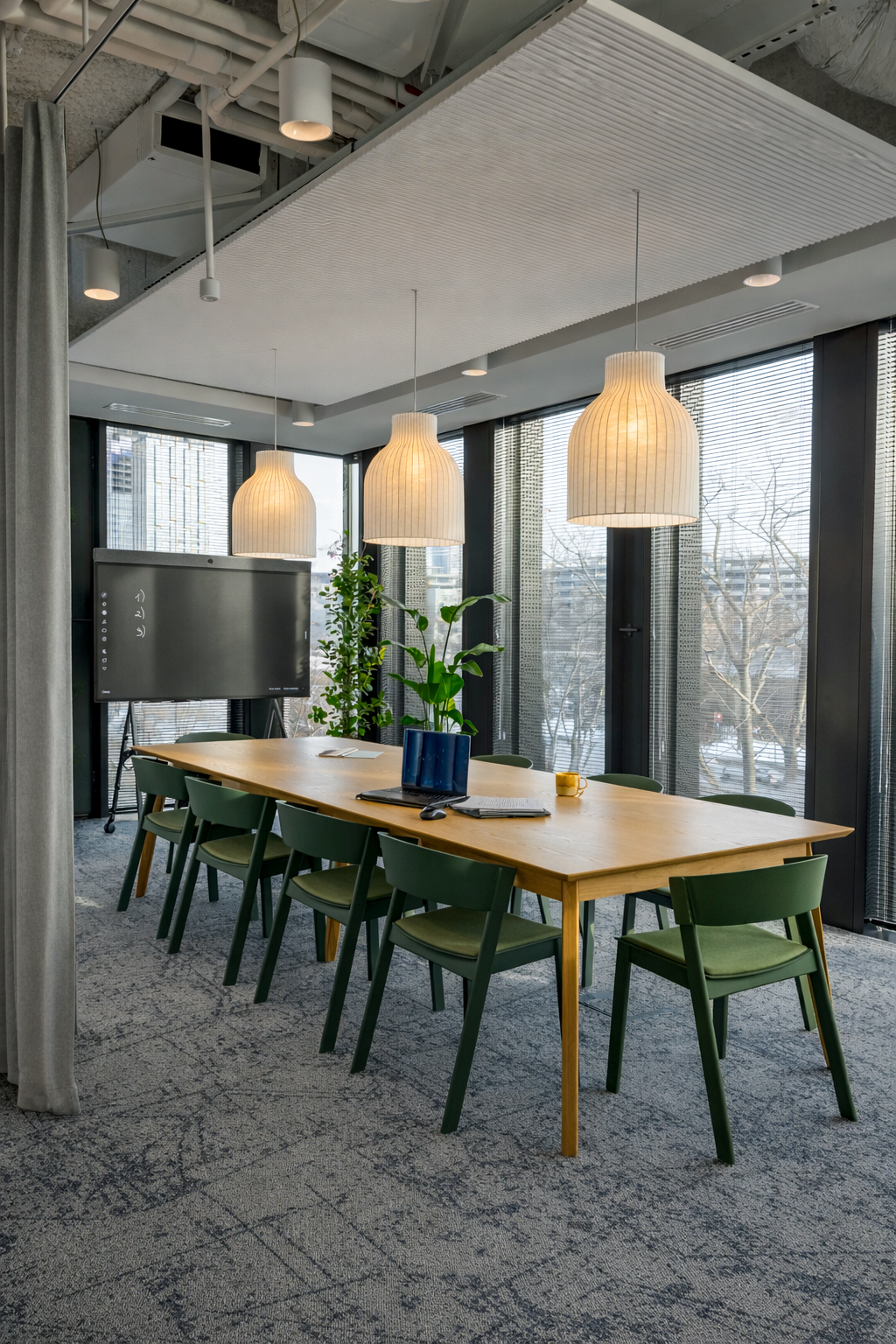
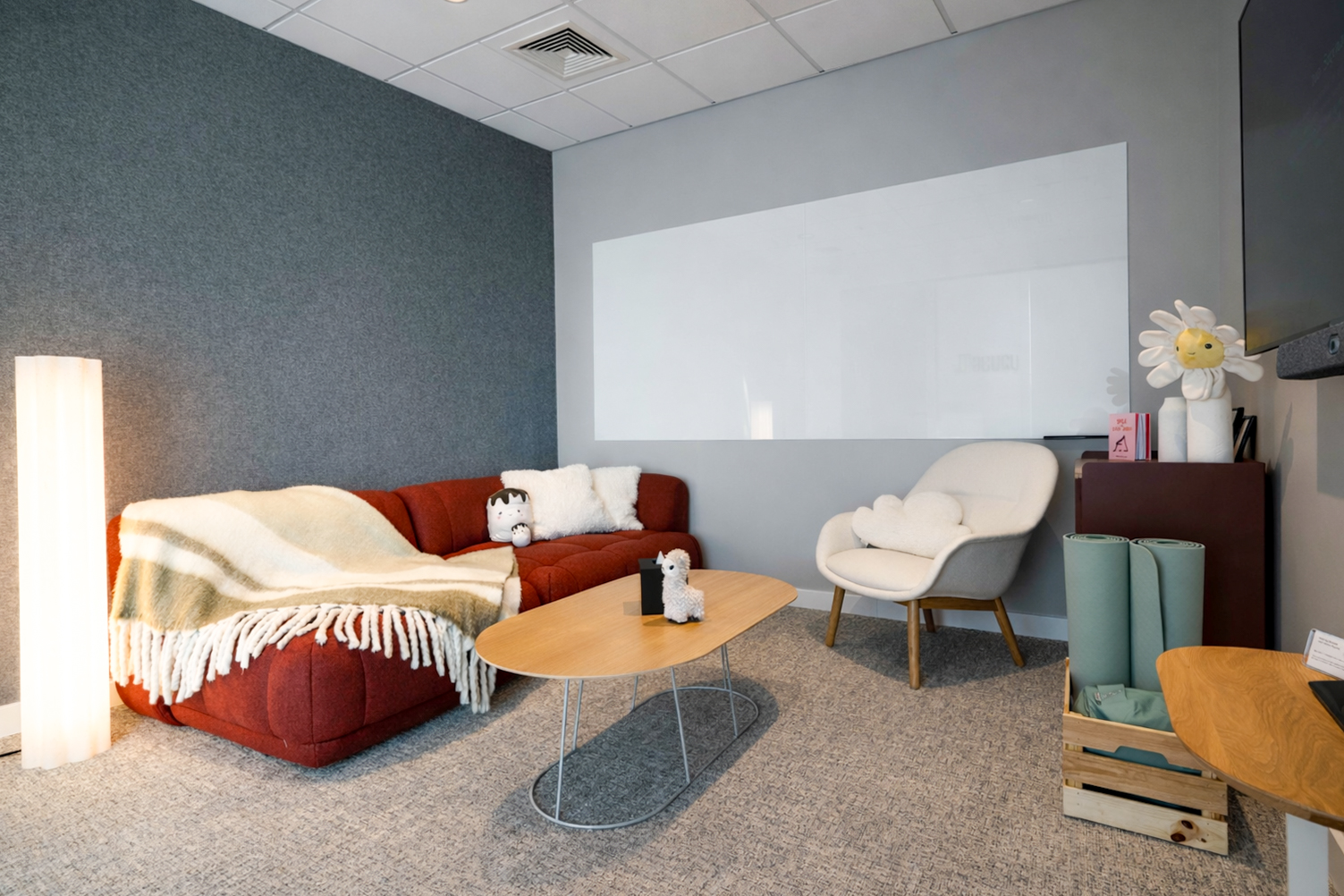
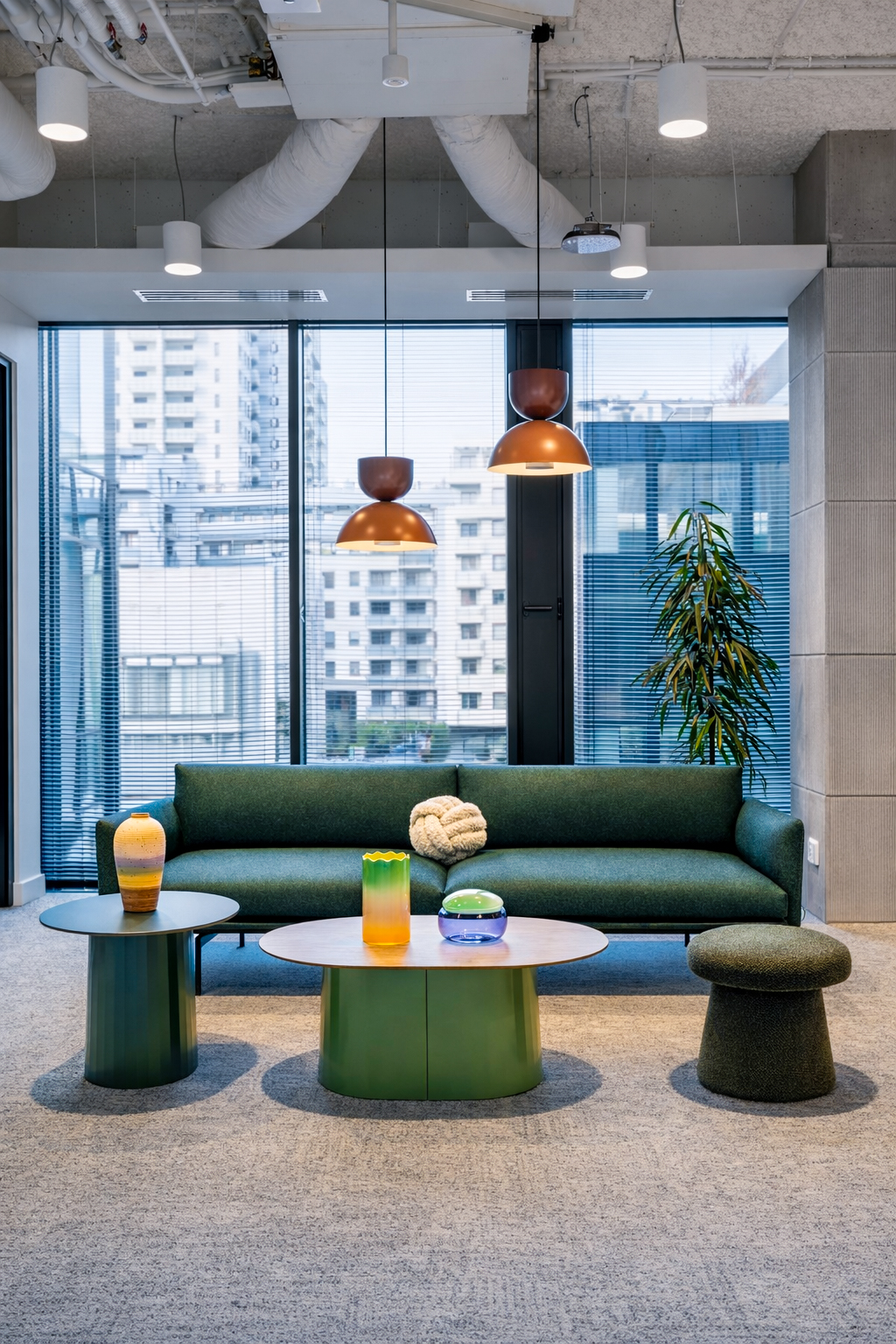
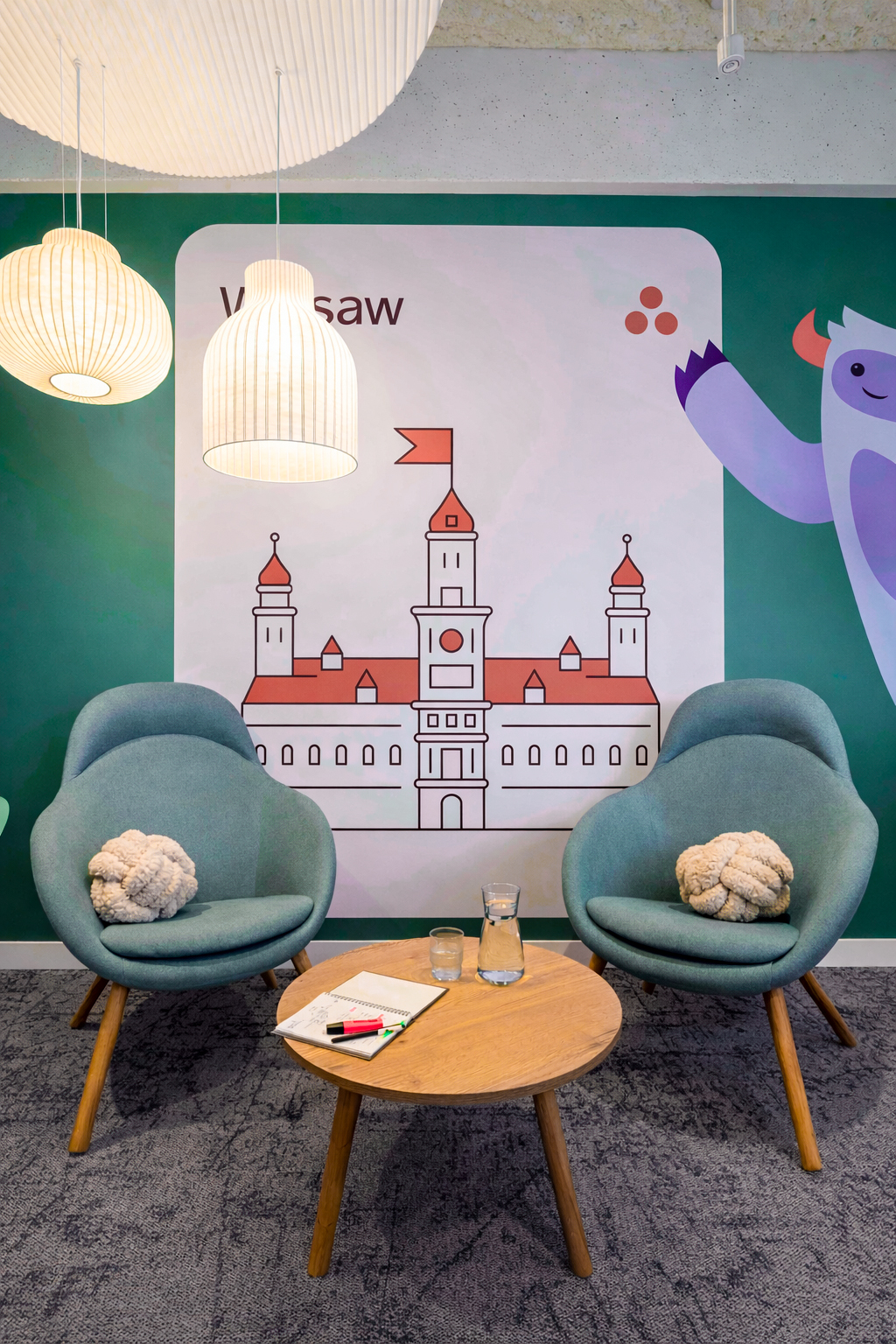
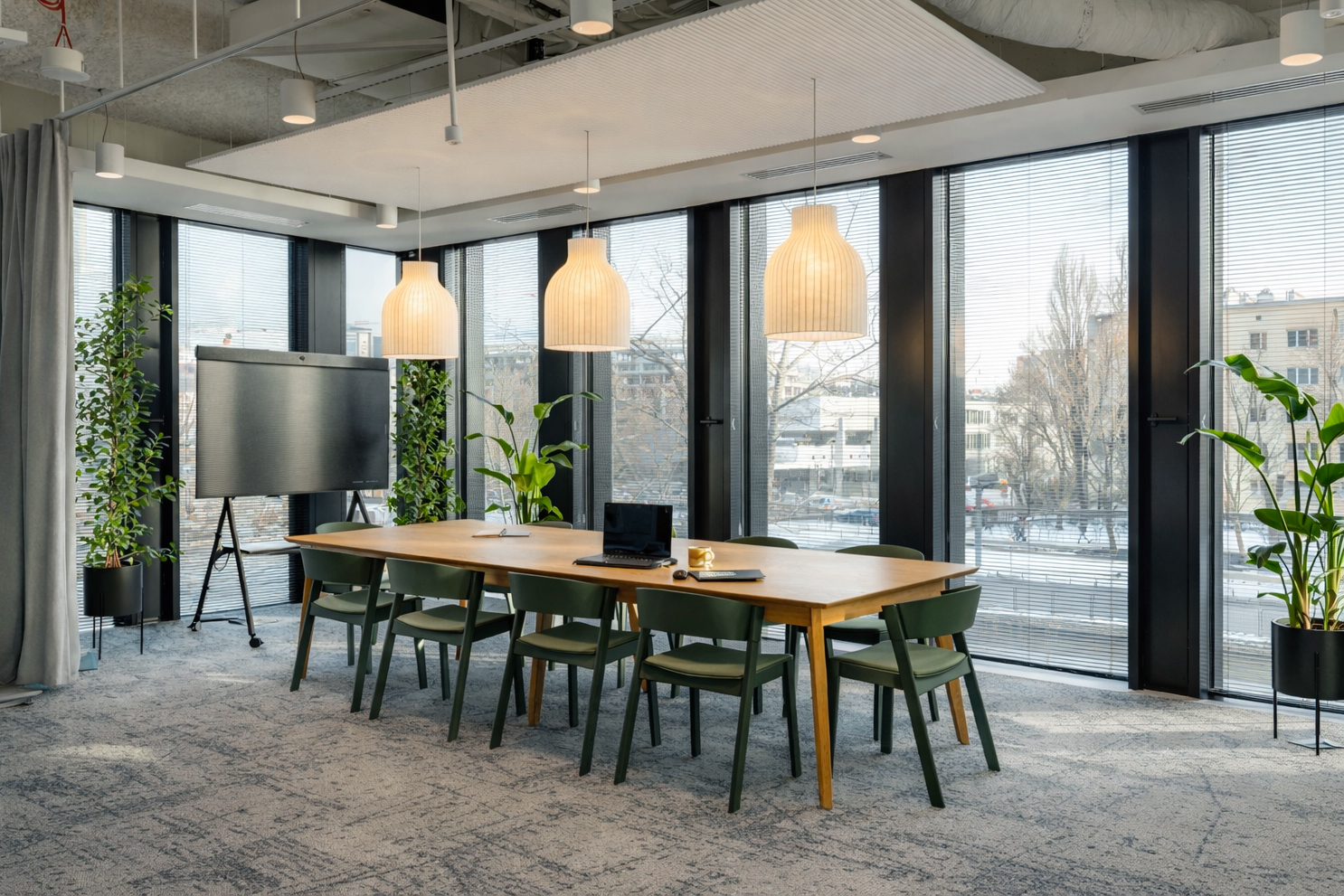
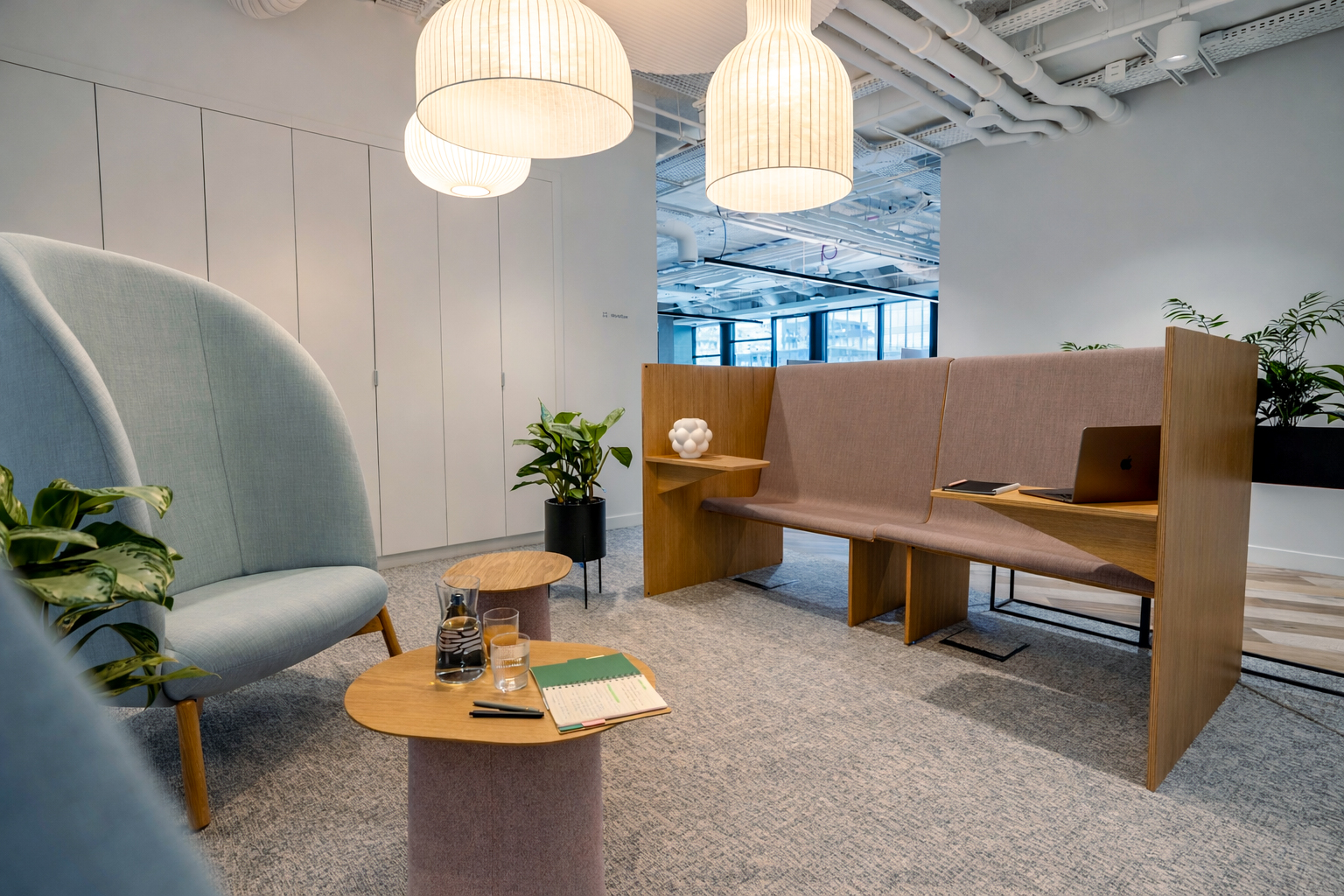
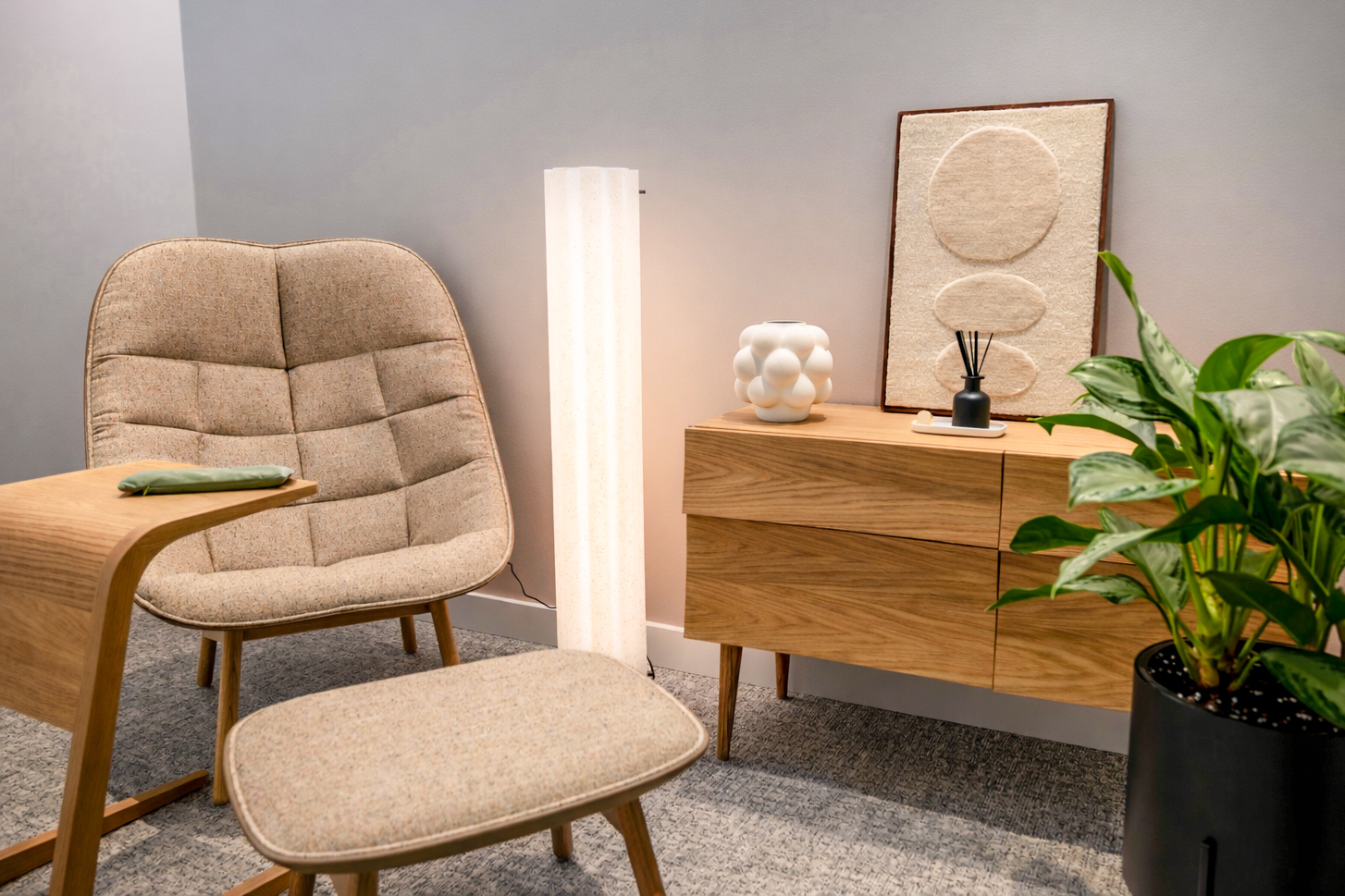
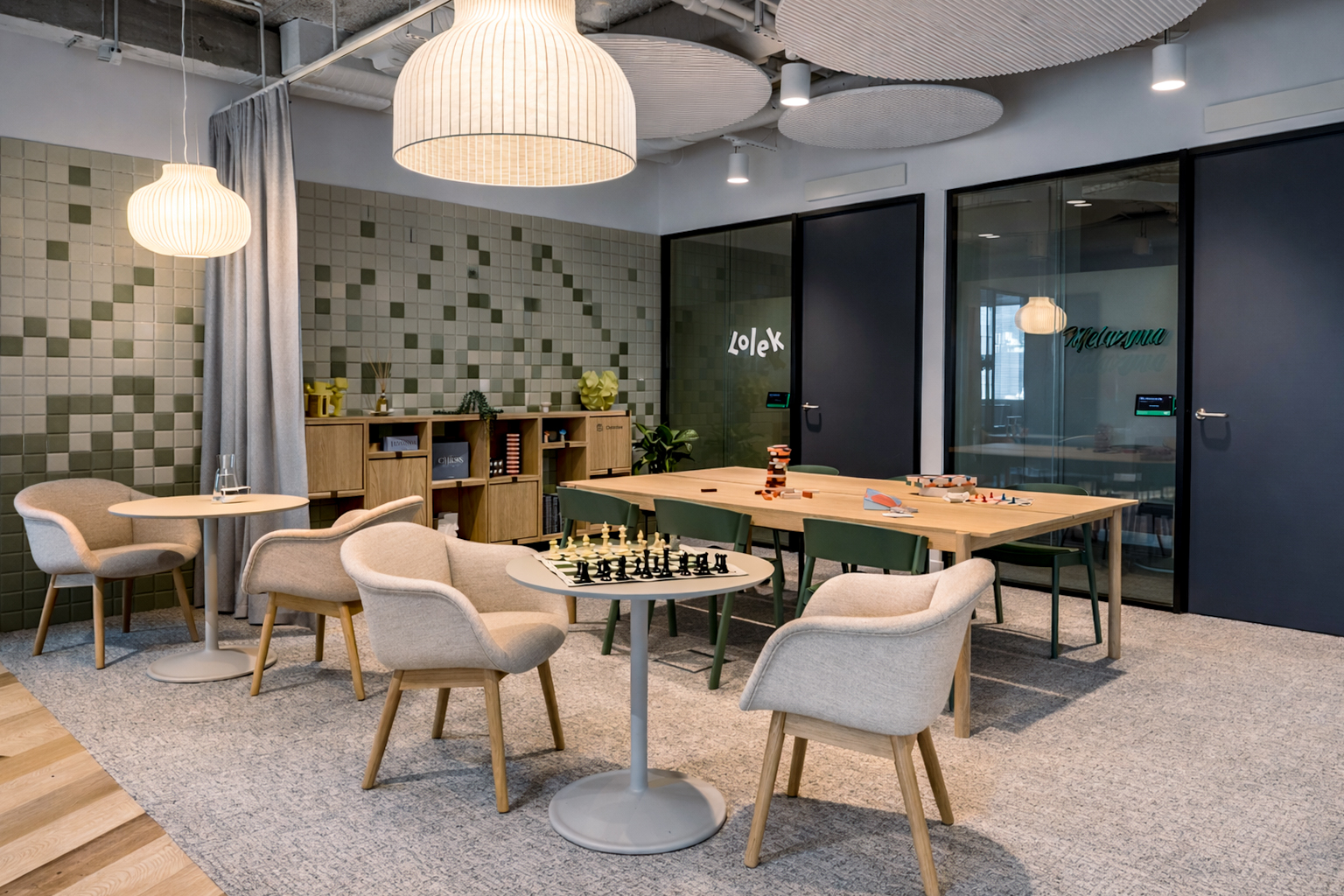
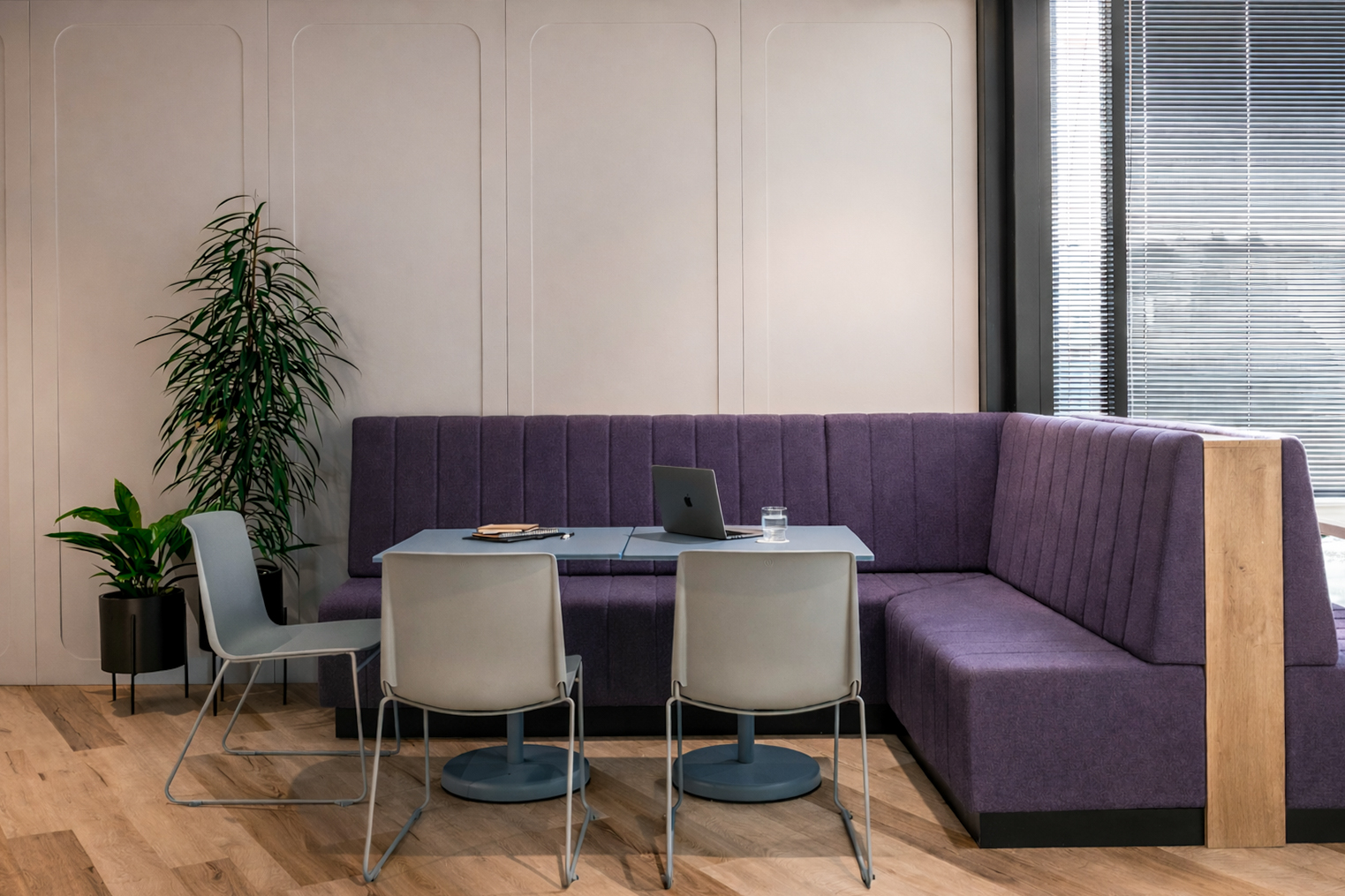
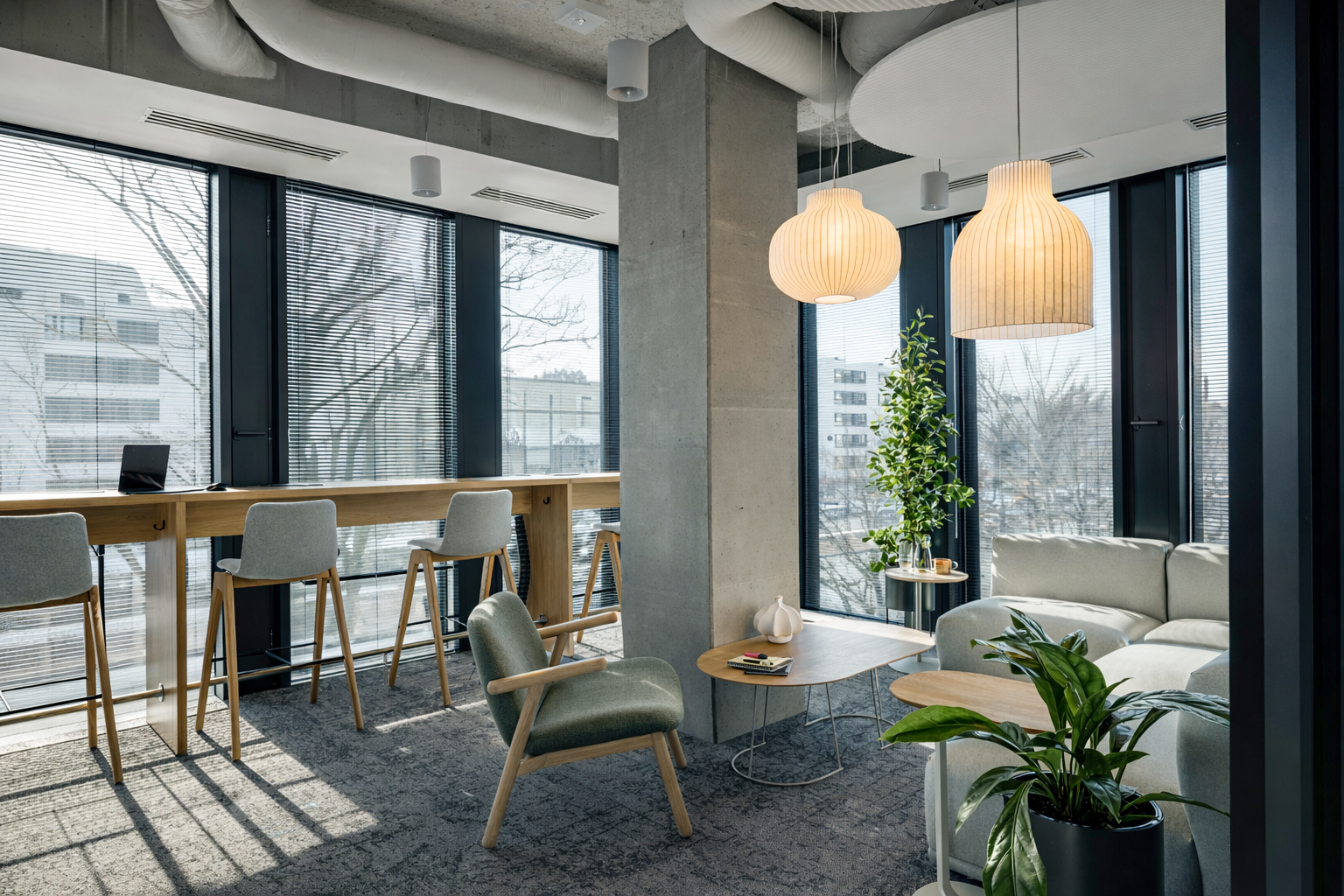
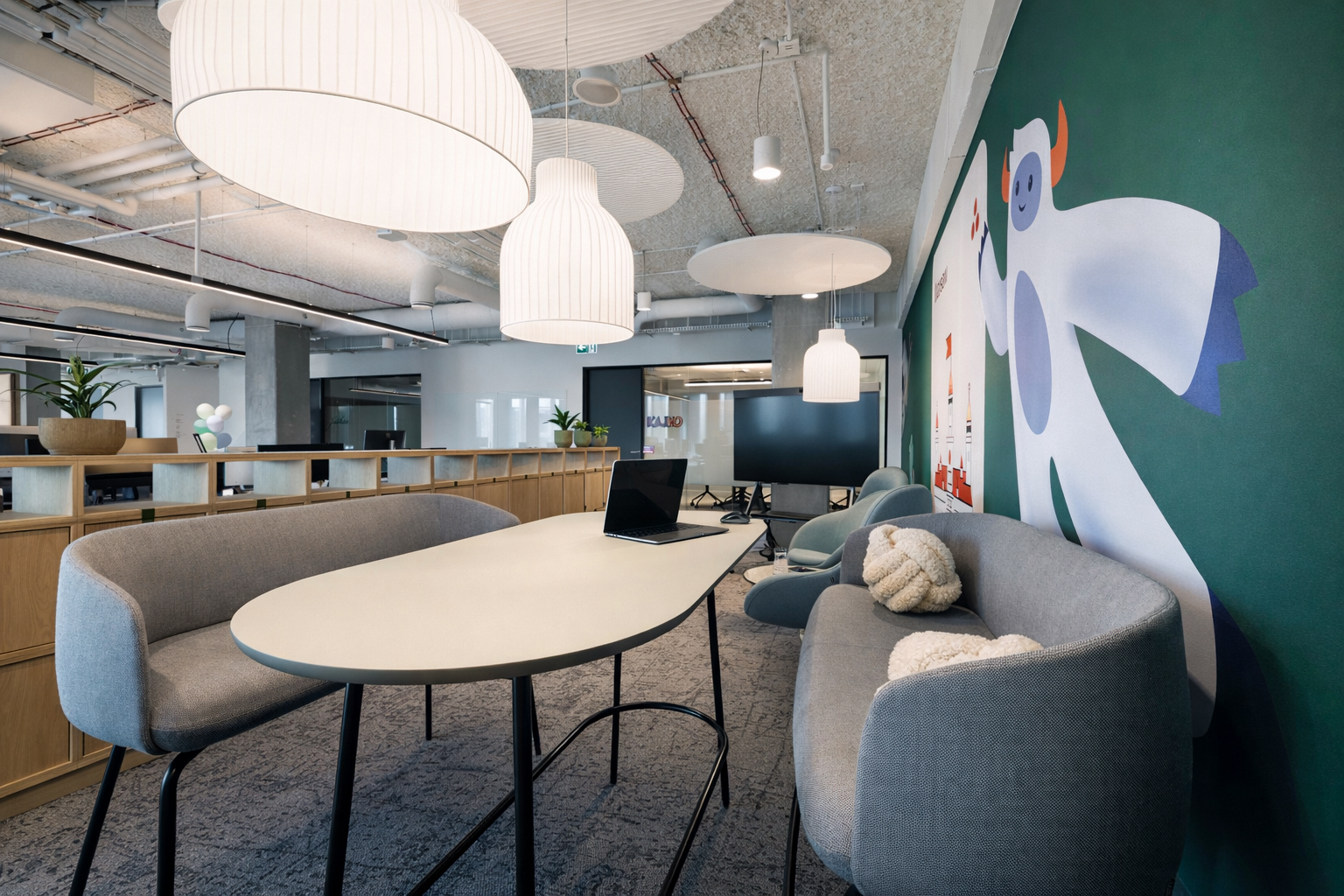
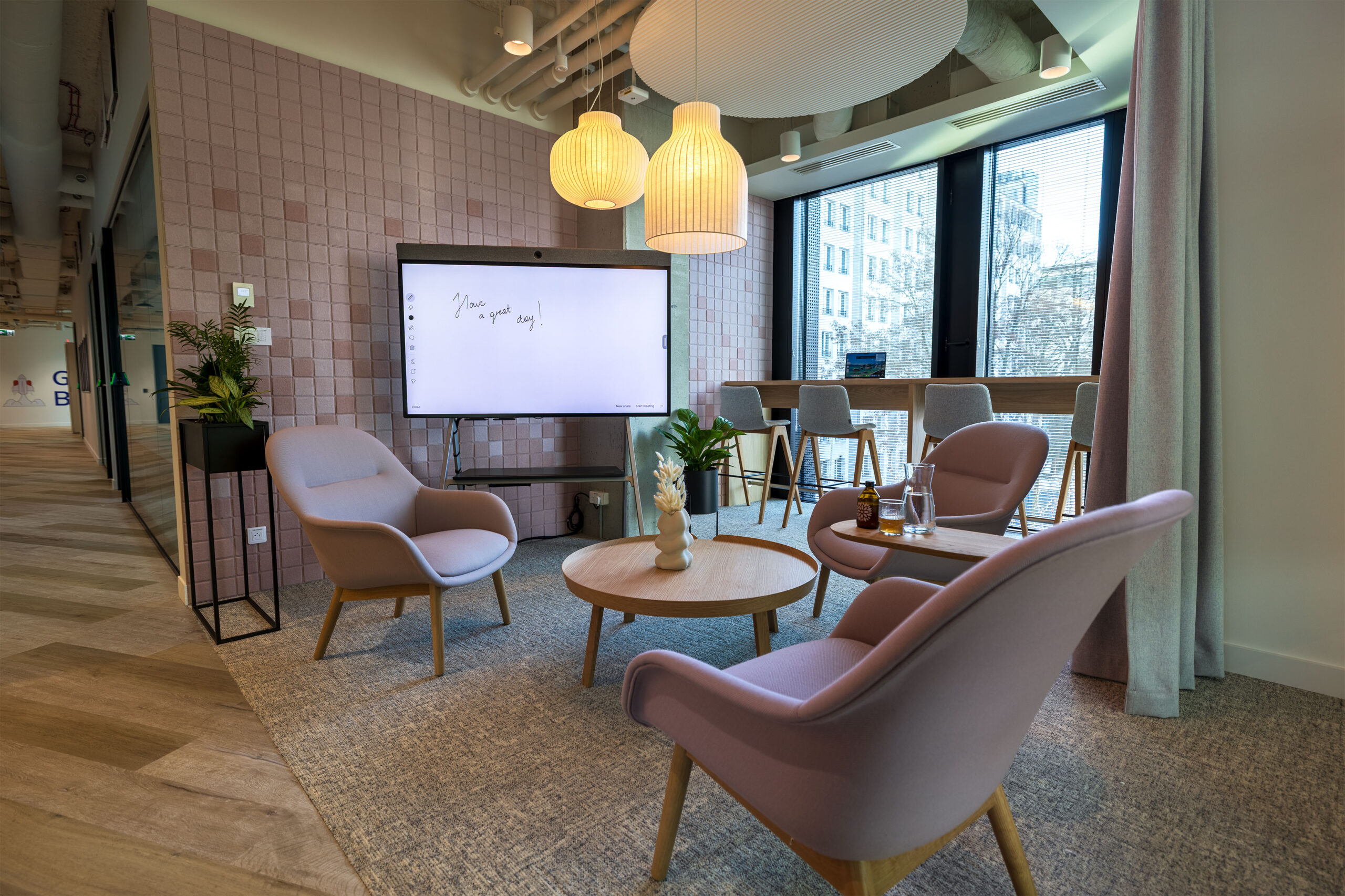
- a system of diverse shared spaces – from coworking areas to quiet zones,
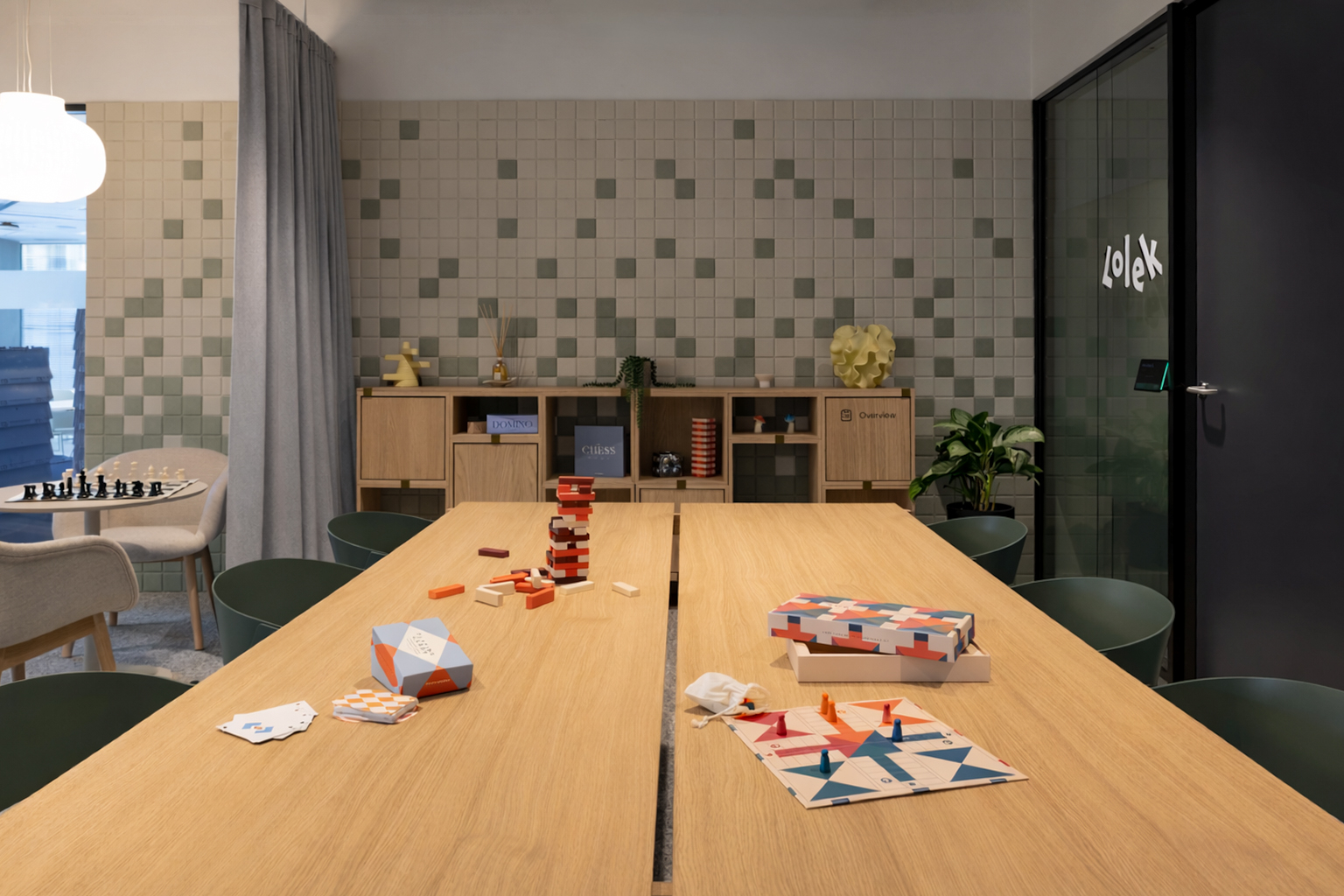
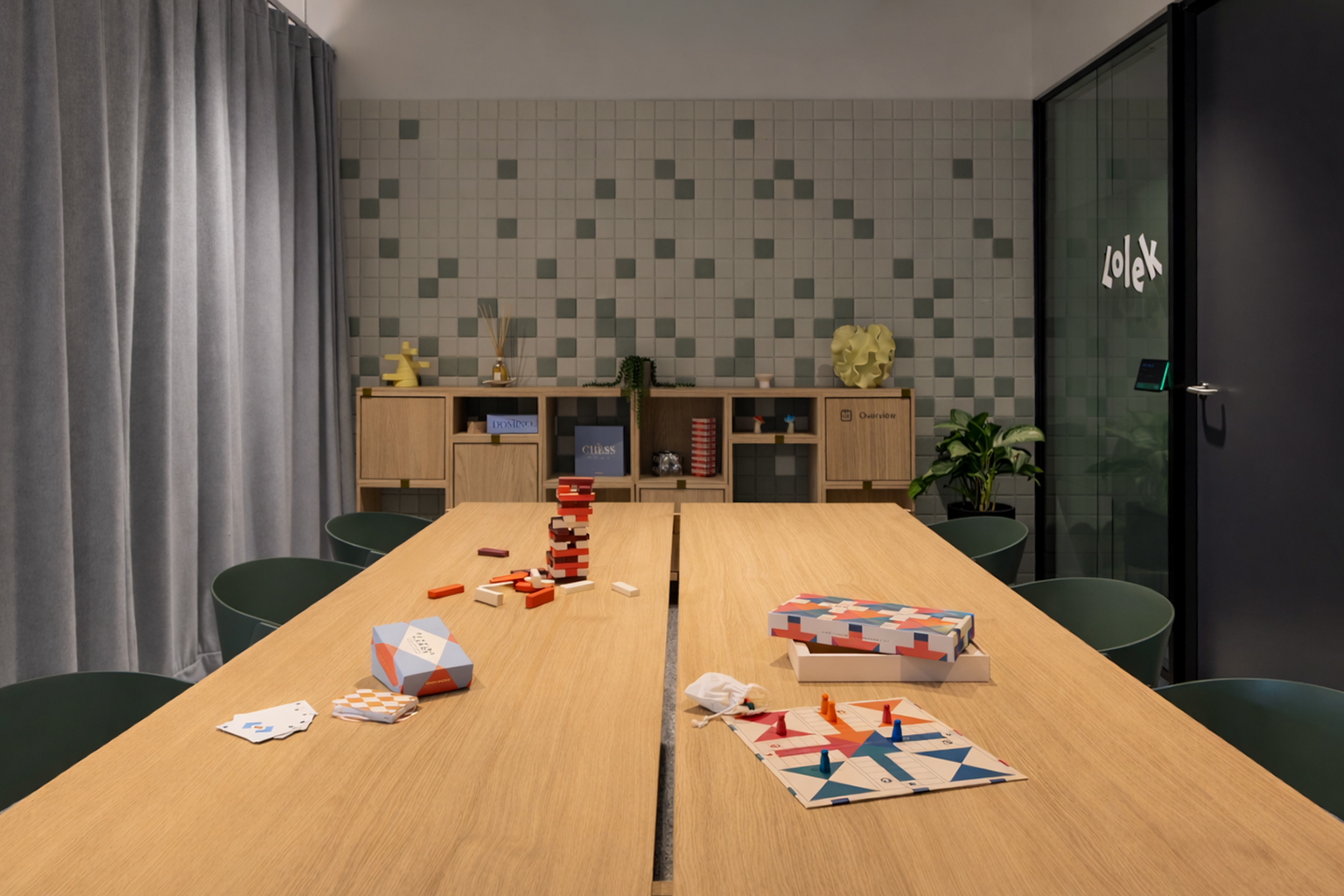
- reorganization of selected functions (including an IT lounge, game room, and ping pong room),
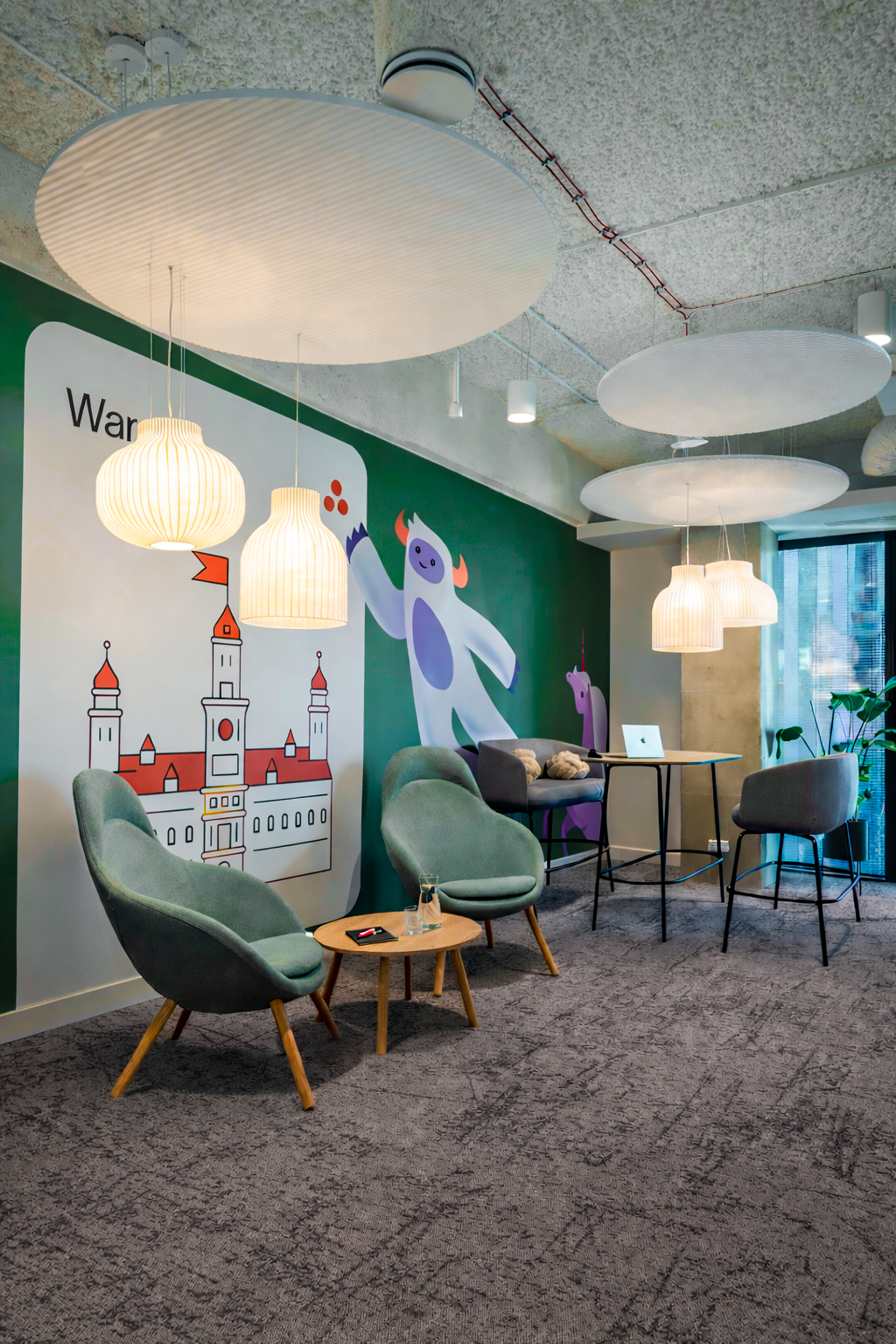
- introduction of a cohesive visual identity through color, materials, and detailing.
An important aspect of the project was creating a variety of working conditions, responding to different user needs – from collaboration to focus and regeneration. The space incorporates a range of work settings, acoustic solutions, and design elements that support everyday comfort and usability.
The design was developed based on Asana’s clearly defined aesthetic guidelines, emphasizing a bright, welcoming environment with natural materials, soft forms, and distinctive color accents. Our role was to translate these principles into the existing spatial framework in a coherent and understated way.
The result is a workspace that does not redefine everything from scratch, but instead carefully adapts what already exists – creating a functional, flexible, and future-ready work environment.
 Portfolio